
How to Speed Up Lung Recovery After Quitting Smoking
Accelerate Lung Recovery: A Guide for Smokers Who Have Quit
Introduction: Quitting smoking is a significant step towards a healthier life, but the journey doesn't end there. Many ex-smokers often wonder how to speed up lung recovery after quitting. This article will provide you with practical tips and insights to help your lungs heal and improve their function.
Understanding Lung Damage
-
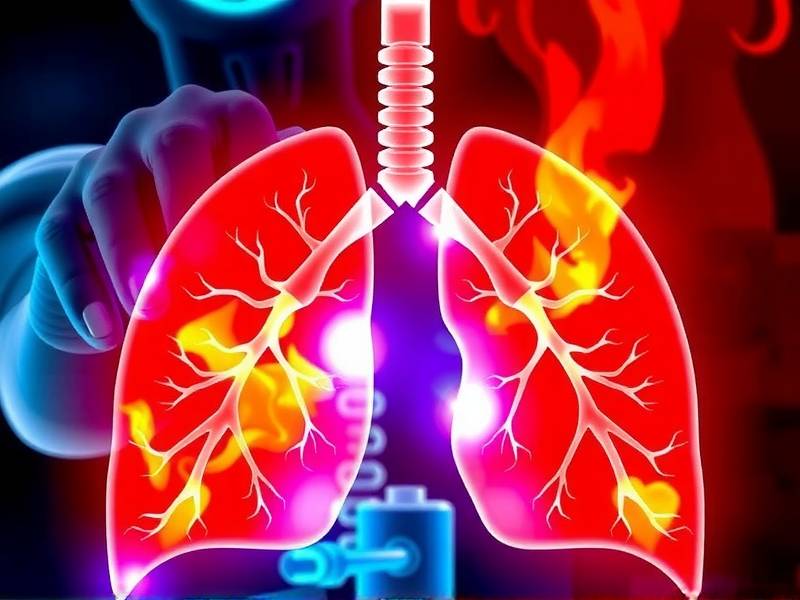
The Impact of Smoking on the Lungs Smoking causes a range of health issues, including chronic obstructive pulmonary disease (COPD), emphysema, and lung cancer. These conditions can lead to irreversible damage to the lungs.
-
The Healing Process When you quit smoking, your body begins to repair the damage caused by tobacco smoke. It's important to understand that this process takes time and consistent effort.
Tips for Accelerating Lung Recovery
-
Maintain a Healthy Diet A balanced diet rich in fruits, vegetables, lean proteins, and whole grains can provide essential nutrients that support lung recovery.
-
Stay Hydrated Drinking plenty of water helps maintain lung function by keeping the mucus thin and easy to expel.
-
Exercise Regularly Regular physical activity improves lung capacity and strengthens the respiratory muscles. Start with low-intensity exercises like walking or swimming and gradually increase intensity as your fitness improves.
-
Avoid Secondhand Smoke Secondhand smoke can exacerbate lung damage and hinder recovery efforts. Make sure you're not exposed to secondhand smoke in your home or workplace.
-
Use Breathing Exercises Practicing deep breathing exercises can improve lung capacity and enhance oxygen flow throughout the body.
-
Consult Healthcare Professionals Regular check-ups with a healthcare provider can help monitor your lung health and provide personalized advice for recovery.
-
Consider Supplements Some supplements may support lung health, such as vitamin C, vitamin E, selenium, and omega-3 fatty acids. However, it's important to consult with a healthcare provider before starting any new supplement regimen.
-
Manage Stress Stress can worsen symptoms of respiratory conditions like COPD and asthma. Find healthy ways to manage stress through relaxation techniques or counseling services.
Conclusion: Quitting smoking is just the beginning of a healthier life for many ex-smokers. By following these tips, you can accelerate lung recovery after quitting smoking and improve your overall well-being. Remember that patience is key – it may take time for your lungs to fully recover, but every effort you make will bring you closer to better health.