Will Lung Damage Repair Itself When You Quit Smoking?
Understanding the Impact of Smoking on the Lungs
Smoking is a well-documented health hazard, with its effects on the lungs being particularly concerning. The persistent inhalation of tobacco smoke leads to various respiratory issues, including chronic obstructive pulmonary disease (COPD) and lung cancer. But what happens to the lungs when you quit smoking? Can they repair themselves?
The Immediate Benefits of Quitting
When you stop smoking, your body begins to repair itself almost immediately. Within 20 minutes of quitting, your heart rate and blood pressure start to drop, which can lead to improved circulation and a reduction in the risk of heart disease. Within 12 hours, carbon monoxide levels in your blood return to normal, and your chances of experiencing a heart attack decrease.
Gradual Repair Process
The lungs are resilient organs capable of some degree of repair over time. However, this process is gradual and varies from person to person. Here's what happens:
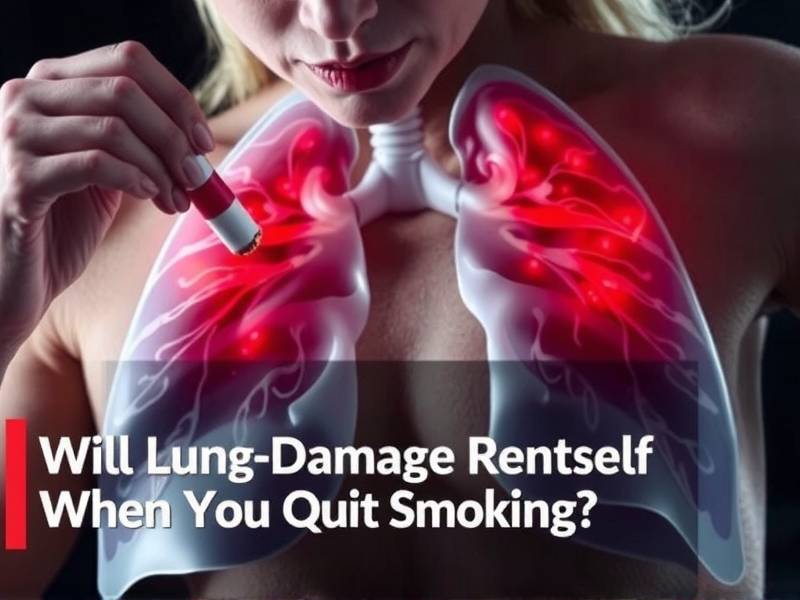
Weeks 1-3: Your sense of smell and taste may improve as your body starts to clear out the mucus and tar that have accumulated in your lungs due to smoking.
Months 6-9: Your lung function can start to improve as inflammation decreases, allowing for better air exchange.
Years 1-9: The risk of heart disease decreases significantly as blood vessels begin to heal. The cilia in your lungs, which help clear mucus, start working more effectively.
Years 10-15: The risk of lung cancer decreases significantly compared to that of a continuing smoker.
Factors Affecting Repair
While quitting smoking is a crucial step towards lung repair, several factors can influence how quickly or effectively this process occurs:
- Duration and intensity of smoking: Longer and heavier smoking habits can result in more severe damage.
- Age at which you started smoking: Younger onset often leads to more severe damage.
- Genetic factors: Some individuals may be more prone to certain respiratory conditions.
- Environmental factors: Air quality and exposure to secondhand smoke can exacerbate lung damage.
Scientific Evidence
Research supports the notion that quitting smoking can lead to lung repair. A study published in the Journal of Thoracic Disease found that even after many years of heavy smoking, significant improvements in lung function were observed within just a few years after quitting.
Conclusion
The answer is yes; lung damage can repair itself when you quit smoking. It's never too late to start this journey towards better health. While the process may be gradual and vary from individual to individual, the benefits are substantial and worth every effort. So why wait? Take that first step today for healthier lungs tomorrow.