
How Many Days Before Quitting Smoking Gets Easier? The Science Behind the Process
"The Journey to a Smoke-Free Life: How Long Until Quitting Smoking Becomes Easier?"
Introduction: The decision to quit smoking is a significant step towards better health and well-being. However, many smokers often wonder: how many days before quitting smoking gets easier? This article delves into the science behind the process, providing insights into the timeline of quitting smoking and the factors that contribute to making it easier over time.
I. The Initial Challenges of Quitting Smoking

When you decide to quit smoking, the first few days can be incredibly challenging. Withdrawal symptoms such as cravings, irritability, and anxiety are common during this period. According to a study published in the journal "Addiction," these symptoms typically peak within the first week after quitting.
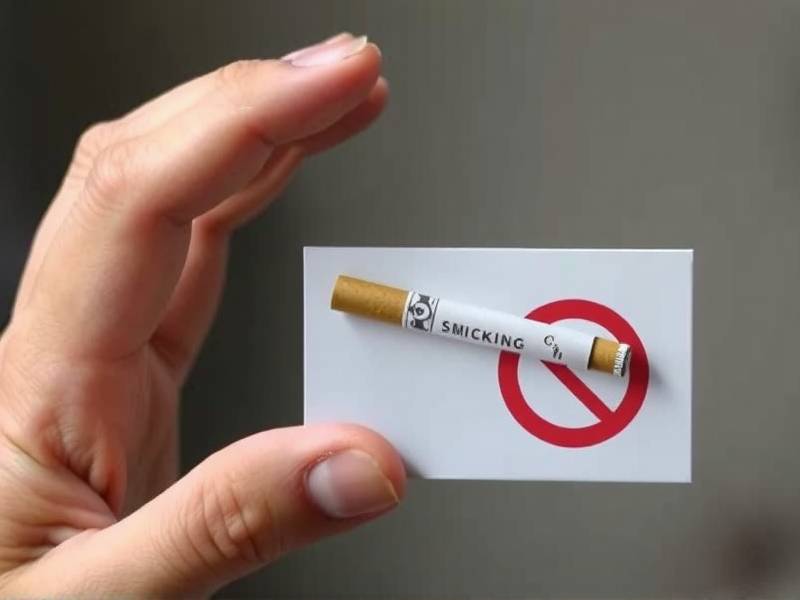
II. The Role of Nicotine Dependency
Nicotine is a highly addictive substance found in tobacco products. When you quit smoking, your body goes through a withdrawal process as it adjusts to lower levels of nicotine. The duration of this withdrawal phase can vary from person to person but generally ranges from a few weeks to several months.
III. Gradual Easing of Withdrawal Symptoms
As your body adjusts to lower levels of nicotine, withdrawal symptoms will gradually decrease in intensity and frequency. Research indicates that most smokers experience significant relief from withdrawal symptoms within three months after quitting.
IV. Factors That Influence the Timeline for Quitting Smoking
Several factors can influence how long it takes for quitting smoking to become easier:
A. Individual Differences: Age, genetics, and overall health can play a role in how quickly someone's body adjusts to lower nicotine levels.
B. Support Systems: Having a strong support system of friends, family, or support groups can help make the quitting process more manageable.
C. Strategies Used: Utilizing cessation aids such as nicotine replacement therapy (NRT), prescription medications, or alternative methods like hypnotherapy can also contribute to an easier transition.
V. Long-Term Benefits of Quitting Smoking
While it may take time for quitting smoking to become easier, the long-term benefits are well worth the effort:
A. Improved Health: Within just one year after quitting smoking, your risk of heart disease decreases by half compared to continuing smokers.
B. Increased Life Expectancy: Smokers who quit at any age can significantly increase their life expectancy compared to those who continue smoking.
Conclusion: The journey towards becoming smoke-free may seem daunting at first, but understanding the science behind the process can provide hope and motivation for success. By acknowledging the initial challenges and focusing on long-term benefits, individuals can navigate through the ups and downs of quitting smoking until it becomes second nature—a healthier choice for both their bodies and minds.