
How Long Does Insomnia Last After You Quit Smoking?
Understanding the Duration of Insomnia Post-Quitting Smoking
Introduction: Quitting smoking is a significant step towards a healthier lifestyle, but it often comes with its own set of challenges. One common issue many smokers face after quitting is insomnia. This article delves into how long insomnia might last after you quit smoking, offering insights and advice to help navigate this transitional phase.

What is Insomnia After Quitting Smoking?
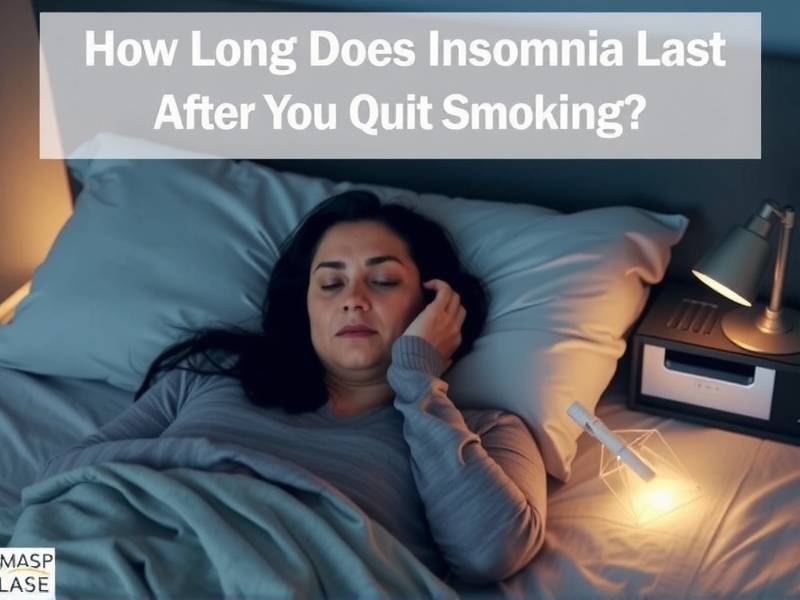
Insomnia, or sleeplessness, refers to difficulty falling asleep or staying asleep. It's not uncommon for individuals to experience insomnia after quitting smoking. The nicotine in cigarettes acts as a stimulant and can disrupt the body's natural sleep cycle.
The Duration of Insomnia Post-Quitting Smoking
The duration of insomnia post-quitting smoking can vary widely from person to person. Some may find that their sleep disturbances resolve within a few days, while others might experience insomnia for several weeks or even months.
-
Immediate Phase (Days 1-3): During the first few days after quitting, nicotine withdrawal can lead to symptoms like irritability, anxiety, and difficulty sleeping. This initial phase often lasts for about three days but can vary.
-
Acute Phase (Weeks 1-4): The acute phase can extend up to four weeks. During this time, you may still experience occasional sleepless nights due to nicotine withdrawal and other factors like stress or anxiety.
-
Subacute Phase (Months 1-3): After the acute phase, some individuals may continue to have occasional sleep disturbances for several more months. This is often due to adjusting to the absence of nicotine in their system.
-
Chronic Phase (Beyond 3 Months): For most people, insomnia associated with quitting smoking resolves within three months. However, if you're still experiencing persistent sleep issues beyond this time frame, it might be helpful to consult with a healthcare professional.
Tips for Coping with Insomnia Post-Quitting Smoking
- Establish a Routine: Consistent bedtime and wake-up times can help regulate your body's internal clock.
- Create a Restful Environment: Make sure your bedroom is conducive to sleep—cool, dark, and quiet.
- Avoid Stimulants: Stay away from caffeine and nicotine in the evening.
- Relaxation Techniques: Practices such as meditation or deep breathing exercises can help reduce stress and improve sleep.
- Exercise Regularly: Regular physical activity during the day can promote better sleep at night.
- Seek Support: Joining a support group or speaking with friends who have also quit smoking can provide emotional support and advice.
Conclusion: Insomnia is a common challenge faced by those who quit smoking but usually resolves within a few months. By adopting healthy habits and seeking support when needed, you can navigate this transitional period more comfortably and increase your chances of successfully overcoming post-quitting insomnia. Remember, every step towards quitting smoking is a step towards better health—both physically and mentally.