
Will My Hair Regrow After Quitting Smoking?
The Promise of Thicker Hair: Can Quitting Smoking Lead to Hair Regrowth?
Introduction: Quitting smoking is a significant step towards improving one's health. While many are aware of the benefits it has on the heart, lungs, and overall well-being, one lesser-known advantage is the potential for hair regrowth. In this article, we'll explore the possibility of thicker hair after quitting smoking and delve into the science behind it.
I. The Impact of Smoking on Hair Health
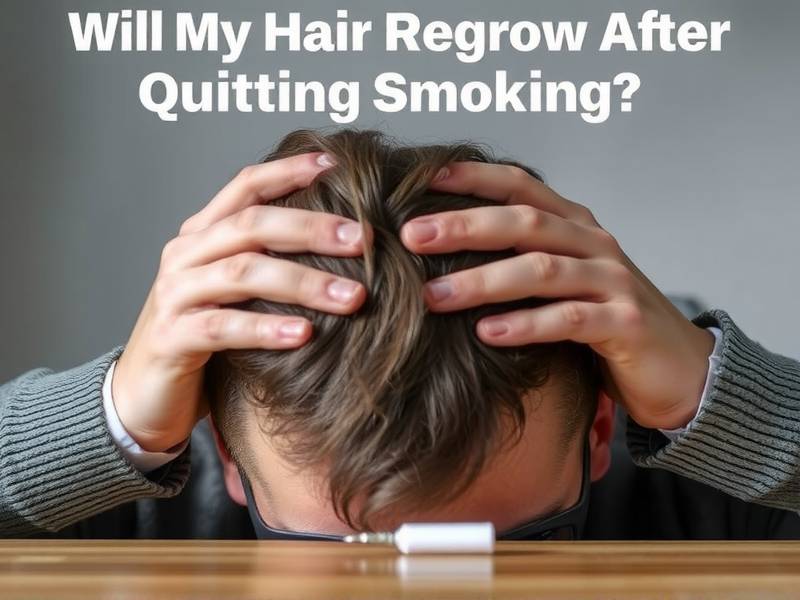
Smoking has been linked to various health issues, including hair loss. The chemicals in cigarettes can restrict blood flow to the scalp, leading to decreased nutrient supply and oxygenation. This can result in weakened hair follicles and slower hair growth.
II. How Quitting Smoking Can Help
When you quit smoking, your body begins to heal itself from the damage caused by nicotine and other harmful substances. Here's how this healing process can lead to hair regrowth:
A. Improved Blood Circulation One of the primary benefits of quitting smoking is improved blood circulation throughout your body, including your scalp. Enhanced blood flow ensures that hair follicles receive adequate nutrients and oxygen, promoting healthy hair growth.
B. Reduced Inflammation Smoking increases inflammation in the body, which can harm hair follicles and contribute to hair loss. By reducing inflammation, quitting smoking helps create a more conducive environment for hair regrowth.
C. Better Nutrient Absorption Quitting smoking allows for better absorption of essential nutrients like vitamins A, C, E, and biotin—nutrients that play a crucial role in maintaining healthy hair.
III. The Reality of Hair Regrowth
While quitting smoking can create an environment conducive to hair regrowth, it's important to understand that results may vary among individuals:
A. Timeframe Hair regrowth after quitting smoking can take time—up to several months or even years in some cases. Patience is key when waiting for visible results.
B. Genetic Factors Your genetic predisposition also plays a role in determining how much your hair will grow back after quitting smoking.
IV. Additional Steps for Hair Regrowth
To maximize your chances of experiencing thicker hair after quitting smoking:
A. Maintain a Balanced Diet Ensure you're consuming a well-rounded diet rich in vitamins and minerals that support healthy hair growth.
B. Use Nourishing Hair Products Choose products formulated with ingredients that promote healthy scalp and hair growth.
C. Manage Stress Stress can exacerbate hair loss; find ways to manage stress through exercise, meditation, or other relaxation techniques.
Conclusion: Quitting smoking is not only beneficial for your overall health but also offers the potential for thicker hair over time as your body heals from years of damage caused by nicotine exposure. By focusing on improving blood circulation, reducing inflammation, and ensuring proper nutrient absorption, you may see positive changes in your mane as you embark on this healthier lifestyle journey.