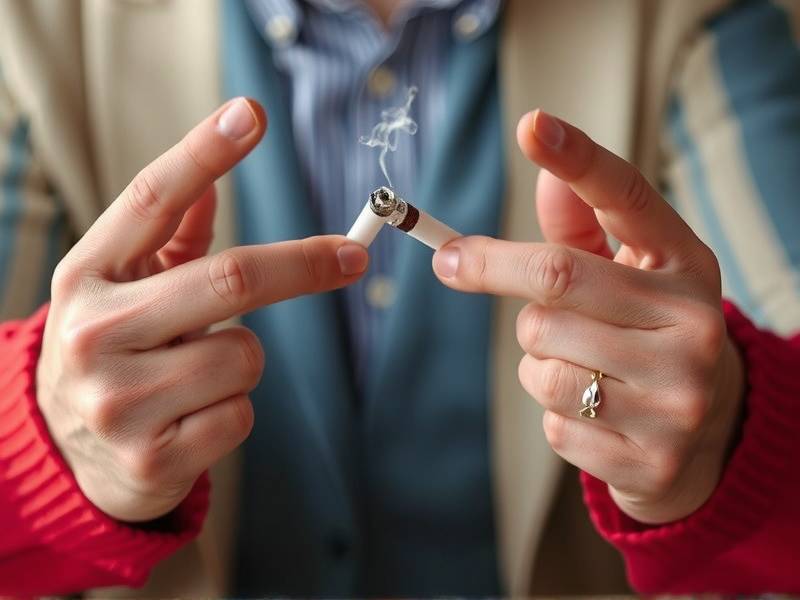
How to Heal After Quitting Smoking: Tips and Strategies for a Smooth Transition
Embracing the New You
Quitting smoking is a significant life change that can lead to improved health, better quality of life, and a newfound sense of freedom. However, the journey towards becoming smoke-free can be challenging. The physical and psychological effects of nicotine withdrawal can make the transition difficult, but with the right strategies, you can heal and thrive after quitting. Here are some tips and strategies to help you navigate this transformative period.
Understanding Nicotine Withdrawal
Nicotine is an addictive substance that affects the brain's reward system. When you quit smoking, your body goes through withdrawal, which can cause symptoms such as irritability, anxiety, headaches, and cravings. It's important to recognize these symptoms as part of the healing process rather than signs of failure.
Gradual Reduction vs. Cold Turkey
Some people find it helpful to gradually reduce their smoking habit before quitting completely (the "gradual reduction" method), while others prefer to go cold turkey (the "cold turkey" method). Both approaches have their advantages and disadvantages. Consider your personal preferences and readiness when choosing your quit strategy.
Physical Healing: A Step-by-Step Guide
The physical effects of quitting smoking begin almost immediately. Here's what you can expect:
1. The First 48 Hours
- Your heart rate will drop.
- Carbon monoxide levels in your blood will decrease.
- Your sense of smell and taste will start to improve.
2. The First Week
- You may experience mild irritability or anxiety.
- Cravings may become more intense.
- Your energy levels might fluctuate.
3. The First Month
- You'll notice significant improvements in lung function.
- Your heart rate will continue to drop.
- Your risk for heart disease begins to decline.
4. The First Year
- Your risk for heart disease is reduced by half compared to a smoker.
- Your risk for stroke also begins to decline.
- Your risk for cancer continues to decrease.
Psychological Healing: Coping with Withdrawal Symptoms
Nicotine withdrawal isn't just physical; it's also psychological. Here are some tips for managing withdrawal symptoms:
Stay Active
Regular exercise can help reduce stress and improve mood. Activities like walking, cycling, or yoga may be particularly beneficial during this time.
Practice Mindfulness
Mindfulness techniques such as meditation or deep breathing exercises can help you stay grounded during moments of stress or cravings.
Seek Support
Connecting with others who have quit smoking can provide moral support and practical advice. Consider joining a support group or finding an accountability partner.
Strategies for Long-Term Success
Quitting smoking is not a one-time event but an ongoing commitment to your health. Here are some long-term strategies for maintaining your smoke-free status:
Set Clear Goals
Establish short-term goals (e.g., quit by a specific date) and long-term goals (e.g., maintain non-smoking status for one year).
Reward Yourself
Celebrate milestones along the way with small rewards that don't encourage relapse (e.g., new workout gear or a relaxing spa day).
Stay Informed
Educate yourself about the benefits of quitting smoking and stay updated on new research or products that may assist you in maintaining your smoke-free lifestyle.
Conclusion: Embrace the Journey
Healing after quitting smoking is a journey filled with challenges but also opportunities for growth and transformation. By understanding nicotine withdrawal, adopting effective coping strategies, and maintaining long-term commitment, you can successfully navigate this transition towards a healthier life. Remember that every step forward is progress—embrace the new you!