
What Do You Cough Up After Quitting Smoking? The Truth About Lung Health
Unveiling the Reality: Coughing After Smoking Cessation
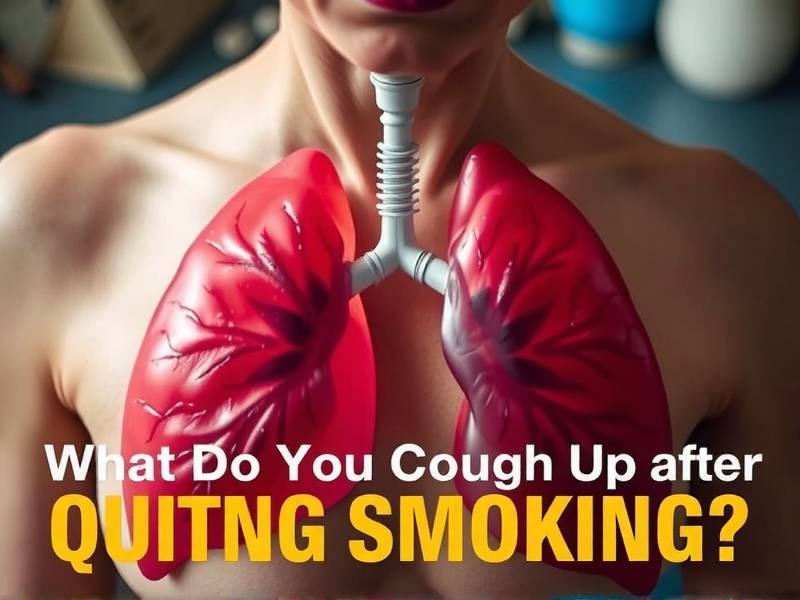
When it comes to quitting smoking, many individuals are often anxious about the immediate aftermath. One common concern is the physical changes that occur in the body, particularly in the respiratory system. A frequent question that arises is: What do you cough up after quitting smoking? This article delves into this topic, shedding light on lung health and the post-cessation process.
The Initial Cough: A Sign of Healing
It's not uncommon for former smokers to experience a cough after quitting. This cough can be quite noticeable and may even seem unsettling at first. However, it's an essential part of the healing process.
The Science Behind It
When you smoke, your lungs are exposed to harmful chemicals and toxins. These substances can irritate your airways and lead to inflammation. As you quit smoking, your body starts to repair itself, which can trigger a cough as it clears out mucus and debris that have accumulated over time.
How Long Does It Last?
The duration of this cough can vary from person to person. Some may experience it for a few days or weeks, while others may notice it for several months. It's important to remember that this is a sign of improvement rather than regression.
What Can You Expect?
The composition of what you cough up can provide insights into your lung health and progress towards recovery.
Mucus: The Most Common Substance
Mucus is often the primary substance you'll cough up after quitting smoking. It may appear thick or watery and can contain various colors, such as yellow or green. This mucus is a mixture of dead cells, debris from damaged airways, and sometimes even blood.
Blood: A Possible Component
While less common, coughing up blood or specks of blood (also known as hemoptysis) can occur during the healing process. If you notice this happening, it's crucial to consult a healthcare professional immediately.
Supporting Your Recovery
To support your recovery and minimize discomfort during this period, consider the following tips:
Stay Hydrated
Drinking plenty of water helps thin mucus and make it easier to expel from your lungs.
Practice Deep Breathing Exercises
Deep breathing exercises can help improve lung function and reduce inflammation in your airways.
Avoid Exposure to Irritants
Minimize exposure to dust, pollen, smoke (including secondhand smoke), and other irritants that can exacerbate your symptoms.
Seek Professional Advice
If you're experiencing severe symptoms or have concerns about your lung health post-cessation, don't hesitate to consult with a healthcare professional.
The Long-Term Benefits
Quitting smoking has numerous long-term benefits for lung health:
- Reduced Risk of Chronic Obstructive Pulmonary Disease (COPD): Over time, former smokers have a lower risk of developing COPD compared to current smokers.
- Improved Lung Function: Your lungs will continue to recover over time as they become less inflamed.
- Decreased Risk of Respiratory Infections: Former smokers have a lower risk of respiratory infections such as pneumonia and bronchitis.
- Increased Life Expectancy: Quitting smoking can significantly increase your life expectancy compared to continuing the habit.
In conclusion, experiencing a cough after quitting smoking is a normal part of the healing process. While it may be unsettling at first, understanding its causes and taking steps to support your recovery can help ease concerns. Remember that quitting smoking has numerous long-term benefits for lung health and overall well-being.