
Does Bone Damage Stop as Soon as Someone Quits Smoking?
The Impact of Smoking on Bone Health: Does Quitting Make a Difference?
Introduction: Smoking is widely recognized as a significant risk factor for numerous health issues, including lung cancer, heart disease, and various types of respiratory diseases. However, many people may not be aware of the detrimental effects smoking can have on their bones. In this article, we will explore whether bone damage caused by smoking can be reversed once an individual decides to quit.
Section 1: The Effects of Smoking on Bone Health Smoking has been linked to several bone-related conditions, such as osteoporosis and reduced bone mineral density. The primary reason behind this correlation is the impact smoking has on calcium absorption and vitamin D metabolism.
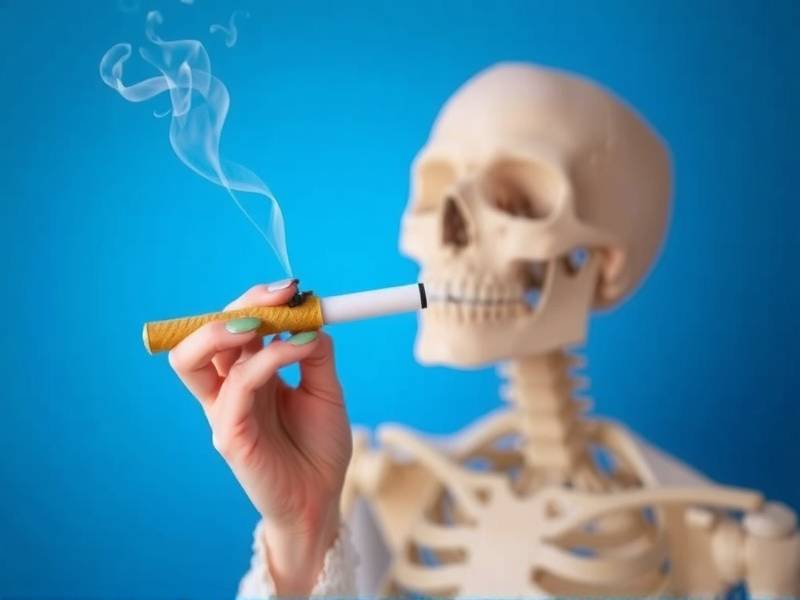
When you smoke, your body produces less estrogen and testosterone – hormones that play a crucial role in maintaining bone density. Additionally, nicotine in cigarettes can interfere with the production of osteoblasts (bone-forming cells) and osteoclasts (bone-resorbing cells), leading to an imbalance between bone formation and resorption.
Section 2: Can Quitting Smoking Reverse Bone Damage? The good news is that quitting smoking can indeed help reduce the risk of bone-related issues. Studies have shown that within a few years of quitting, the risk of developing osteoporosis decreases significantly.
Moreover, several research studies suggest that the process of reversing bone damage may begin as soon as 6-12 months after someone stops smoking. This timeline varies from person to person but indicates that there is hope for those who have smoked for years.
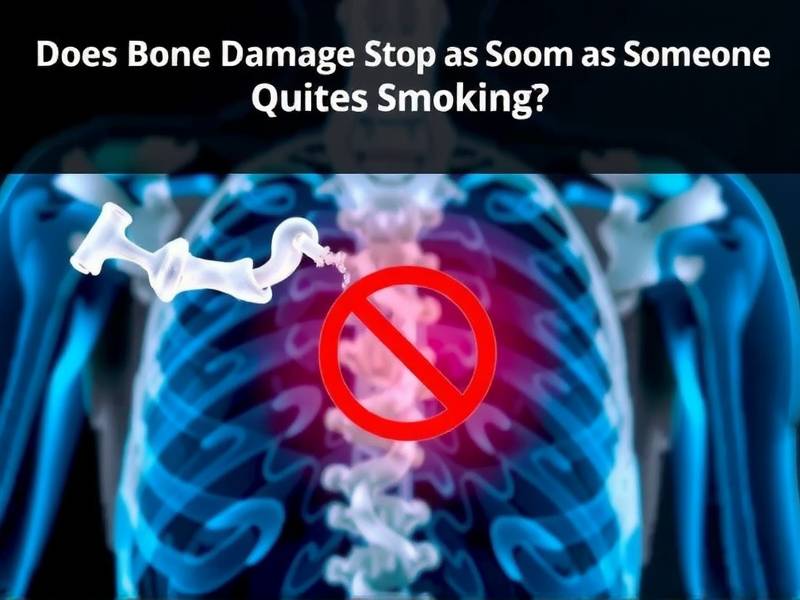
Section 3: The Role of Nutrition and Exercise While quitting smoking is a crucial step in improving bone health, it's also essential to maintain a balanced diet rich in calcium, vitamin D, and other essential nutrients. Regular physical activity, especially weight-bearing exercises like walking or strength training, can further enhance bone density.
Conclusion: In conclusion, quitting smoking is an important step towards improving your overall health and reducing the risk of developing bone-related conditions. Although reversing bone damage caused by years of smoking may take time, it's certainly possible with dedication to a healthier lifestyle. If you're struggling to quit smoking or need guidance on how to improve your bone health after quitting, consider consulting with healthcare professionals for personalized advice.