
What Happens to Your Brain When You Quit Smoking?
"Unveiling the Transformative Journey: What Happens to Your Brain When You Quit Smoking?"
Introduction: The decision to quit smoking is a significant step towards a healthier life. While the benefits of quitting are numerous, one area that often piques curiosity is the impact on the brain. This article delves into the fascinating changes that occur in your brain as you embark on your smoke-free journey.
1. Immediate Benefits: When you quit smoking, your brain begins to experience immediate changes. Within minutes of your last cigarette, your blood pressure and heart rate start to normalize. The carbon monoxide levels in your blood begin to decrease, allowing more oxygen to flow to your brain and other organs.
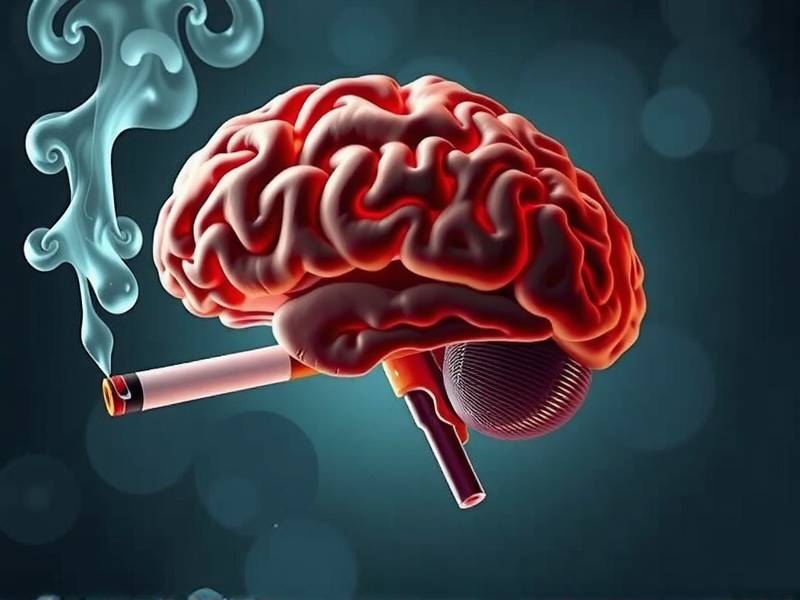
2. Improved Cognitive Function: Within a few days of quitting, you might notice an improvement in your concentration and memory. Over time, these cognitive functions continue to enhance as nicotine withdrawal diminishes. Studies have shown that within 3 months, quitting smoking can lead to significant improvements in cognitive performance.
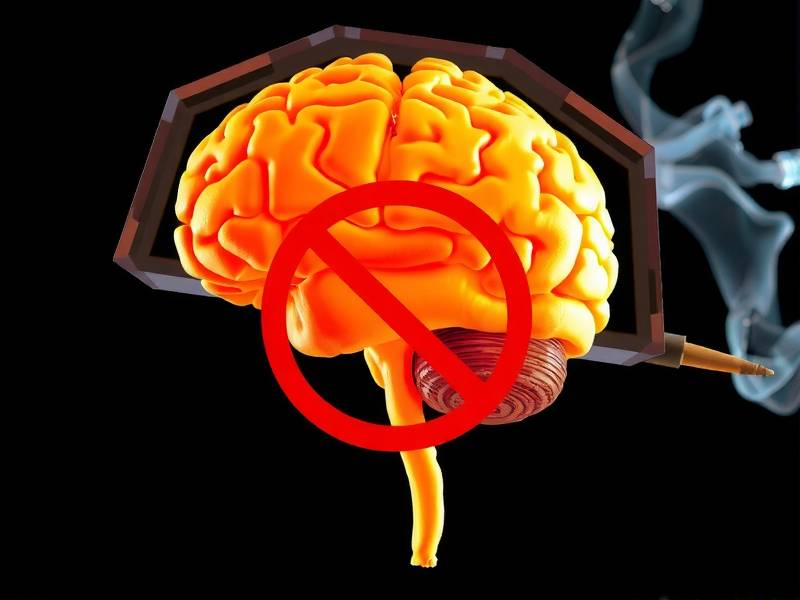
3. Neuroplasticity and Brain Growth: One of the most remarkable aspects of quitting smoking is the brain's ability to rewire itself through a process called neuroplasticity. This allows for new neural connections to form, which can lead to improved mood and emotional regulation. Additionally, research suggests that quitting smoking may promote brain growth in areas associated with memory and learning.
4. Enhanced Sensory Perception: As nicotine withdrawal subsides, you may find that your senses become more acute. This includes improved taste and smell perception, which can enhance your enjoyment of food and beverages.
5. Reduced Risk of Neurodegenerative Diseases: Long-term smokers are at an increased risk for neurodegenerative diseases such as Alzheimer's and Parkinson's disease. By quitting smoking, you significantly reduce this risk, protecting your brain from potential damage.
6. Emotional Well-being: Quitting smoking has a profound impact on emotional well-being. Nicotine is known to affect neurotransmitters responsible for regulating mood and stress levels. As these neurotransmitters return to normal levels after quitting, individuals often experience reduced anxiety and depression symptoms.
Conclusion: The journey towards quitting smoking is not just about breaking a habit; it's about embarking on a transformative journey for both your body and mind. As you quit smoking, your brain undergoes remarkable changes that improve cognitive function, sensory perception, and emotional well-being. Embrace this journey with determination and patience; it's worth every step!