
Do You Cough a Lot More After You Quit Smoking? The Truth About Lung Health
Do You Cough a Lot More After You Quit Smoking? The Truth About Lung Health
Introduction: Quitting smoking is a significant step towards improving one's health. However, many smokers often experience an increase in coughing after they quit. This article aims to delve into the reasons behind this phenomenon and shed light on the truth about lung health.
Section 1: Understanding the Coughing After Quitting Smoking
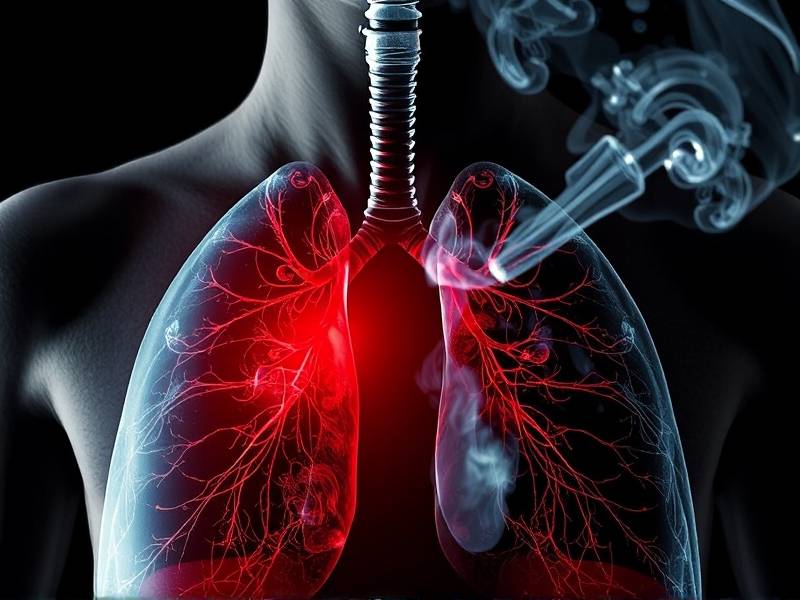
Subheading: Why Do Smokers Cough More After Quitting?
When individuals quit smoking, their bodies start to heal from the years of tobacco exposure. One common symptom experienced during this healing process is an increase in coughing. Here's why:
-
Cilia Re-growth: The tiny hair-like structures called cilia that line our airways become damaged due to smoking. These cilia help to clear mucus and particles from the lungs. When you quit, your body begins to repair and regrow these cilia, which can lead to more coughing as they try to clear out accumulated mucus.
-
Mucus Production: Smoking increases mucus production in the lungs. As you stop smoking, your body may produce more mucus as it tries to remove built-up tar and toxins from the airways.
-
Healing Process: The healing process of the lungs after quitting smoking can trigger an increase in coughing as the body tries to rid itself of accumulated debris.
Section 2: The Importance of Lung Health
Subheading: Why Is Lung Health Crucial?
Lung health is essential for overall well-being and quality of life. Healthy lungs allow us to breathe easily, maintain energy levels, and participate in physical activities without discomfort or pain.
-
Oxygen Supply: Our lungs are responsible for taking in oxygen from the air we breathe and delivering it to our bloodstream, ensuring that every cell in our body receives adequate oxygen.
-
Waste Removal: The lungs also play a vital role in removing carbon dioxide from our bodies through exhalation.
-
Immune System Support: Healthy lungs support a robust immune system by providing a barrier against harmful pathogens entering through the respiratory tract.
Section 3: Tips for Managing Post-Quit Cough
Subheading: How Can You Manage Post-Quit Cough?

If you're experiencing increased coughing after quitting smoking, here are some tips to help manage this symptom:
-
Stay Hydrated: Drinking plenty of fluids can help thin mucus and make it easier for your body to expel it.
-
Use Saline Nasal Sprays: Saline nasal sprays can help clear nasal passages and reduce congestion associated with post-quit coughing.
-
Practice Deep Breathing Exercises: Deep breathing exercises can improve lung function and reduce symptoms of post-quit cough.
-
Consult Your Healthcare Provider: If your cough persists or worsens, it's essential to consult your healthcare provider for personalized advice and treatment options.
Conclusion:
Coughing more after quitting smoking is a common experience due to the healing process of your lungs. Understanding why this happens and implementing strategies to manage post-quit cough can help ease discomfort and support lung health improvement over time. Remember that quitting smoking is a significant step towards better health, so be patient with your body as it recovers from years of tobacco exposure.