
Can You Really Achieve Completely Healthy Lungs After Quitting Smoking?
Can You Really Achieve Completely Healthy Lungs After Quitting Smoking?
Subheading: The Truth Behind Lung Health and Smoking Cessation
Introduction: The question of whether one can achieve completely healthy lungs after quitting smoking is a common concern among smokers who are contemplating the switch. This article delves into the science behind lung health, the process of recovery, and what it truly means to have healthy lungs post-cessation.
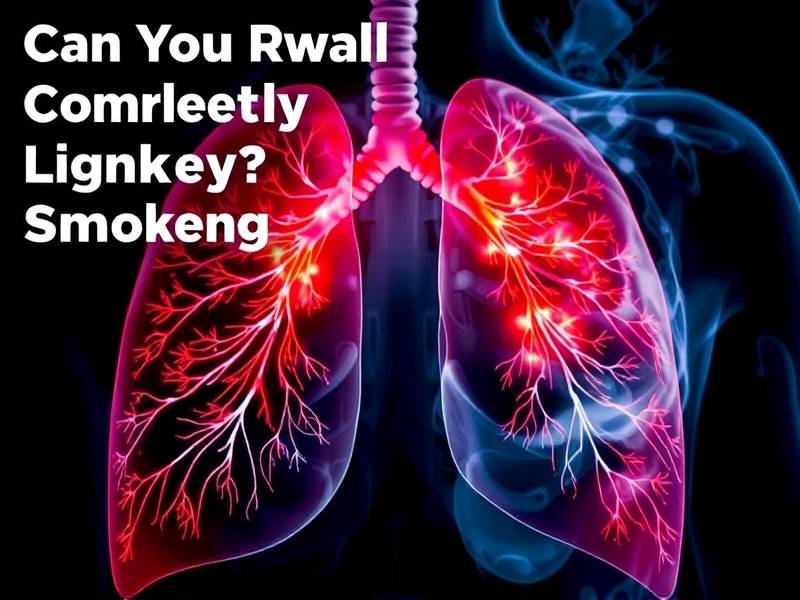
- Understanding Lung Damage from Smoking
Smoking is a leading cause of lung damage, leading to chronic obstructive pulmonary disease (COPD), emphysema, and lung cancer. The toxins in cigarettes cause inflammation and scarring in the lungs, which can be irreversible. However, quitting smoking can significantly slow down this damage and potentially reverse some of it.
- The Journey to Healthy Lungs
The process of achieving healthy lungs after quitting smoking involves several stages:
a) Immediate Benefits: Within hours of quitting, your body begins to heal. Carbon monoxide levels drop, oxygen levels increase, and your heart rate and blood pressure normalize.
b) Short-term Recovery: Over the first few months, you may experience improved lung function as your body clears out mucus and debris accumulated from smoking. This period marks a significant reduction in inflammation.
c) Long-term Recovery: After years of cessation, former smokers can expect continued improvement in lung function and a lower risk of developing respiratory diseases. However, some damage may remain permanent.
- Factors Influencing Lung Health
Several factors influence how well your lungs recover after quitting smoking:
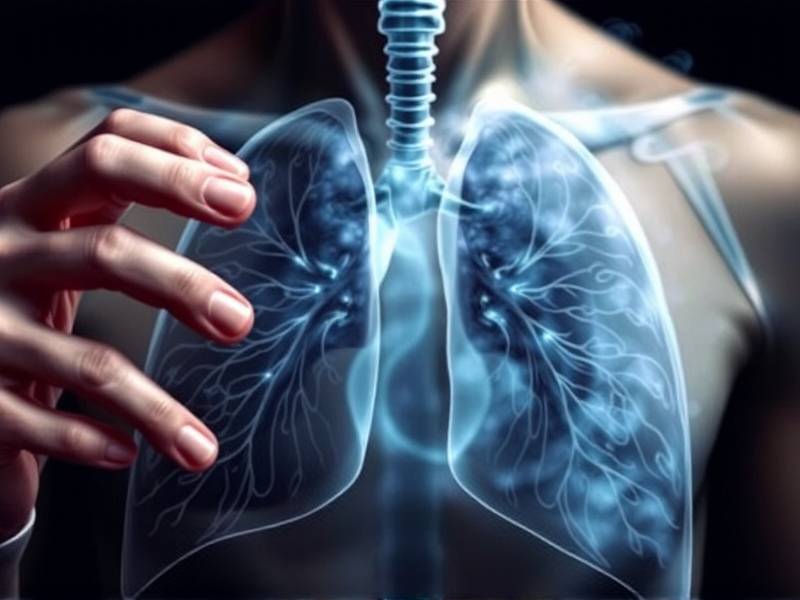
a) Age at Quitting: Younger individuals tend to recover more quickly than older ones due to their bodies' greater capacity for repair.
b) Duration of Smoking: Longer smoking periods result in more extensive damage that can take longer to repair.
c) Genetic Factors: Your genetic makeup plays a role in how susceptible you are to lung damage from smoking.
- Maintaining Healthy Lungs Post-Cessation
To ensure optimal lung health after quitting smoking:
a) Regular Exercise: Engage in activities that improve cardiovascular health and respiratory function. b) Avoid Exposure: Stay away from secondhand smoke and air pollution. c) Monitor Your Health: Regular check-ups with a healthcare provider can help track your progress. d) Maintain a Healthy Diet: A balanced diet rich in fruits, vegetables, and whole grains supports overall health. e) Stay Hydrated: Drinking plenty of water helps flush out toxins from the body.
Conclusion:
While achieving completely healthy lungs after quitting smoking is possible for many individuals, it's important to recognize that recovery varies from person to person. By adopting a proactive approach towards maintaining lung health post-cessation, former smokers can greatly improve their chances of regaining optimal respiratory function. Remember that it's never too late to quit—your lungs will thank you for it!