
How to Lower Blood Pressure After Quitting Smoking: Effective Methods and Tips
How to Lower Blood Pressure After Quitting Smoking: Effective Methods and Tips
Introduction: Quitting smoking is a significant step towards a healthier lifestyle. However, it can be challenging to adjust to life without cigarettes. One common concern among smokers who quit is the potential impact on their blood pressure. In this article, we will discuss effective methods and tips on how to lower blood pressure after quitting smoking.
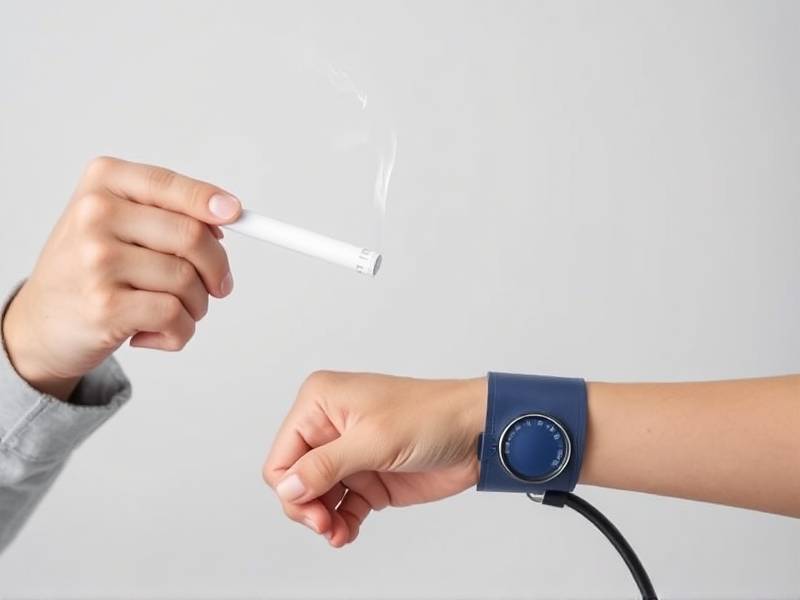
Understanding the Link Between Smoking and Blood Pressure: Smoking is a leading cause of high blood pressure, also known as hypertension. The chemicals in cigarettes can damage the lining of arteries, leading to increased resistance and higher blood pressure levels. By quitting smoking, you can significantly reduce your risk of developing hypertension and improve your overall cardiovascular health.

Effective Methods for Lowering Blood Pressure After Quitting Smoking:
-
Maintain a Healthy Diet: A balanced diet rich in fruits, vegetables, whole grains, lean proteins, and healthy fats can help lower blood pressure. Incorporate foods that are high in potassium, such as bananas, oranges, and avocados, as potassium helps counteract the effects of sodium on blood pressure.
-
Increase Physical Activity: Regular exercise is crucial for managing blood pressure after quitting smoking. Aim for at least 150 minutes of moderate-intensity aerobic exercise or 75 minutes of vigorous-intensity aerobic exercise per week. Activities like walking, jogging, swimming, or cycling can be beneficial.
-
Limit Alcohol Consumption: Excessive alcohol consumption can contribute to high blood pressure. It's essential to limit your alcohol intake and choose beverages with lower sodium content.
-
Manage Stress: Stress can elevate blood pressure levels. Engage in stress-reducing activities such as meditation, deep breathing exercises, yoga, or engaging in hobbies that you enjoy.
-
Get Adequate Sleep: Poor sleep quality or insufficient sleep duration can impact blood pressure levels. Aim for 7-9 hours of quality sleep per night.
-
Avoid Caffeine: Caffeine can temporarily increase blood pressure levels in some individuals. It's best to limit caffeine intake or switch to decaffeinated alternatives if necessary.
-
Consult a Healthcare Professional: If you're struggling to manage your blood pressure after quitting smoking, it's essential to consult a healthcare professional who can provide personalized advice and treatment options.
Conclusion: Quitting smoking is a significant step towards improving your health and reducing the risk of hypertension. By adopting these effective methods and tips for lowering blood pressure after quitting smoking, you'll be well on your way to achieving better cardiovascular health and overall well-being.