
Is It Normal to Cough When You Quit Smoking?
Understanding the Coughing Phenomenon: Is It Normal to Cough When You Quit Smoking?
Introduction: Quitting smoking is a significant step towards improving one's health. However, it is not uncommon to experience various withdrawal symptoms, including coughing. In this article, we will explore the reasons behind this phenomenon and whether it is normal to cough when you quit smoking.
What Causes Coughing When Quitting Smoking?
-
Cilia Re-Growth When you quit smoking, your lungs begin to heal. One of the first changes you may notice is the re-growth of cilia in your respiratory tract. These tiny hair-like structures help to clear mucus and debris from your airways. As they re-grow, they may cause a slight irritation, leading to coughing.
-
Mucus Build-Up Smoking slows down the natural process of clearing mucus from your lungs. When you quit, your body starts to expel the accumulated mucus, which can result in a persistent cough.
-
Toxins Elimination The body's immune system works hard to eliminate toxins from the lungs after quitting smoking. The release of these toxins can trigger inflammation and irritation, causing coughing.
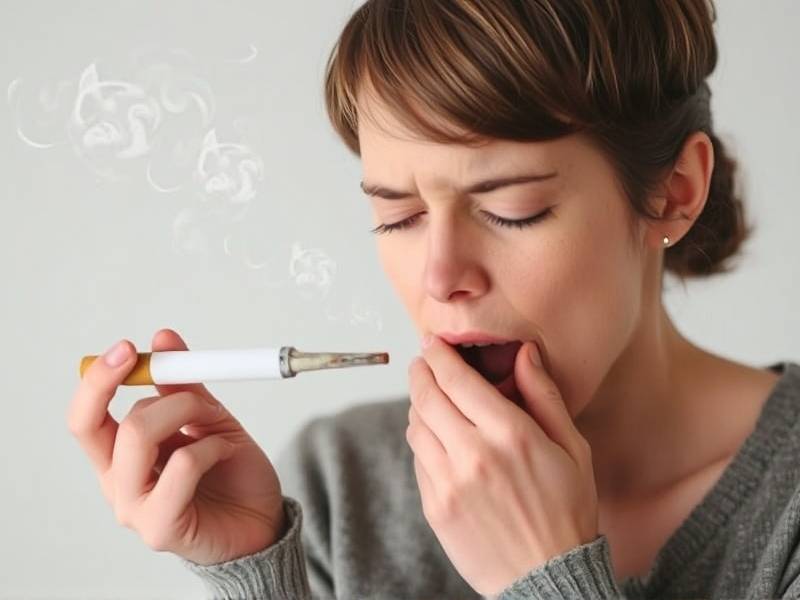
Yes, it is normal to experience coughing when you quit smoking. This symptom usually occurs within the first few weeks after quitting and can last for several months. The intensity of the cough may vary from person to person.
How Long Does It Last?
The duration of coughing after quitting smoking can vary depending on several factors:
- Duration of Smoking: Longer-term smokers may experience more severe and prolonged coughing.
- Level of Exposure: Individuals who have been exposed to secondhand smoke or other environmental pollutants may take longer for their respiratory system to recover.
- Overall Health: Individuals with pre-existing respiratory conditions may experience more severe symptoms.
Tips for Managing Coughing While Quitting Smoking
- Stay Hydrated: Drinking plenty of fluids helps thin mucus and makes it easier for your body to expel it.
- Use Humidifiers: Adding moisture to the air can help alleviate dryness in your airways and reduce coughing.
- Gargle with Salt Water: This can help soothe an irritated throat and reduce mucus production.
- Avoid Irritants: Stay away from smoke-filled environments or any other irritants that could exacerbate your symptoms.
- Seek Professional Help: If your cough persists or becomes severe, consult a healthcare professional for guidance.
Conclusion:
Coughing when quitting smoking is a common symptom that indicates your body is healing from years of exposure to tobacco smoke. While it can be uncomfortable, understanding its causes and managing it effectively will help make the process more bearable and encourage you on your journey towards a healthier life without cigarettes.