
Will COPD Continue if I Quit Smoking?
Can COPD Be Stopped by Quitting Smoking?
Introduction: Chronic Obstructive Pulmonary Disease (COPD) is a serious lung condition that affects millions of people worldwide. Many individuals who suffer from COPD are smokers, and the question often arises: Can quitting smoking help stop the progression of COPD? In this article, we will explore the relationship between smoking and COPD, and whether quitting smoking can make a significant difference in managing this condition.
Understanding COPD:
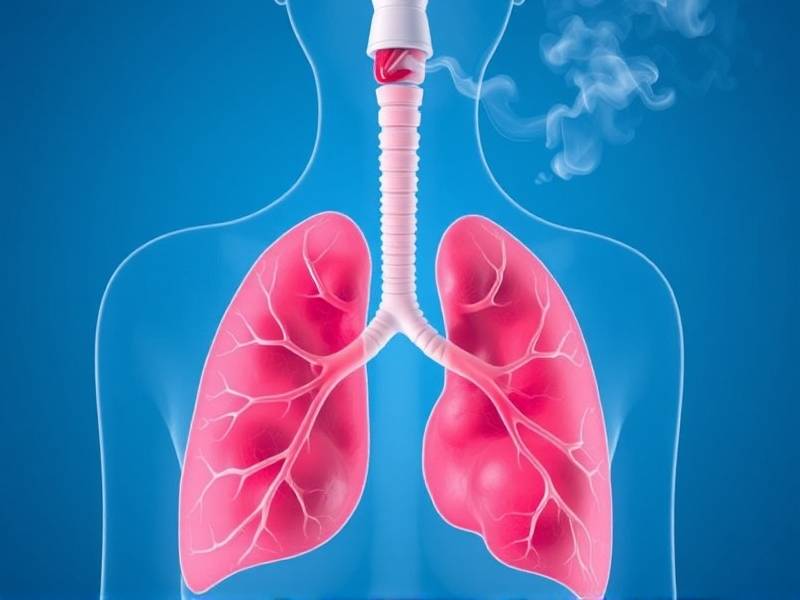
COPD is a progressive lung disease characterized by persistent breathing problems. It is primarily caused by long-term exposure to harmful particles or gases, with smoking being the leading cause. Other risk factors include exposure to air pollution, dust, and chemical fumes.
The Impact of Smoking on COPD:
Smoking triggers inflammation in the airways, leading to a gradual narrowing of the bronchial tubes. This causes symptoms like coughing, wheezing, shortness of breath, and chest tightness. Over time, these symptoms worsen as the disease progresses.
Can Quitting Smoking Stop COPD Progression?
Research indicates that quitting smoking can significantly slow down the progression of COPD. When you stop smoking, your lungs start to heal gradually. The inflammation decreases, and your airways begin to relax. This helps reduce symptoms and improve lung function.
Benefits of Quitting Smoking for COPD Patients:
- Reduced Inflammation: Quitting smoking reduces inflammation in the lungs, which slows down the progression of COPD.
- Improved Lung Function: As inflammation decreases, lung function improves over time.
- Better Quality of Life: Many individuals report an improved quality of life after quitting smoking.
- Decreased Risk of Other Health Conditions: Quitting smoking also reduces the risk of other health issues like heart disease and stroke.
Challenges in Quitting Smoking:
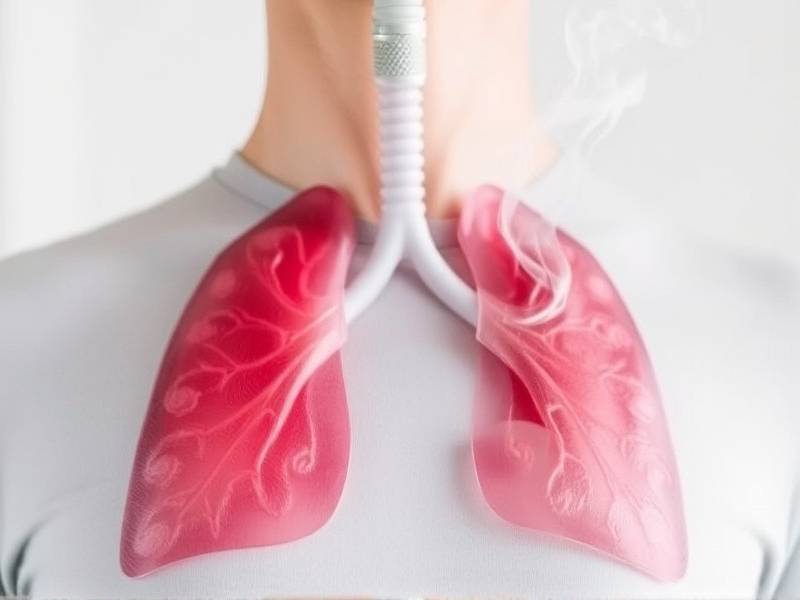
Quitting smoking can be challenging for many individuals due to nicotine addiction and withdrawal symptoms such as irritability, anxiety, depression, and cravings.
Support for Smokers Trying to Quit:
Several resources are available to help smokers quit:
- Nicotine Replacement Therapy (NRT): NRT includes patches, gum, lozenges, inhalers, and nasal sprays that provide controlled doses of nicotine.
- Medications: Certain medications can help reduce withdrawal symptoms and cravings.
- Behavioral Support: Joining support groups or seeking counseling can provide motivation and guidance during the quitting process.
- Professional Help: Consulting a healthcare professional can help tailor a personalized quit plan.
Conclusion:
Quitting smoking is one of the most effective ways to slow down or even stop the progression of COPD. While it may not completely reverse the damage caused by years of smoking, it can significantly improve lung function and overall quality of life for individuals with this condition.
If you are a smoker with COPD or at risk for developing it, consider seeking support from healthcare professionals or support groups to help you quit smoking today!