
Do Lungs Recover After Quitting Smoking?
The Miraculous Recovery of Lungs Post-Quitting Smoking
Introduction: The decision to quit smoking is one of the most significant steps towards a healthier life. Many smokers are curious about the recovery process of their lungs after quitting. In this article, we will explore how lungs can recover and the benefits that come with it.
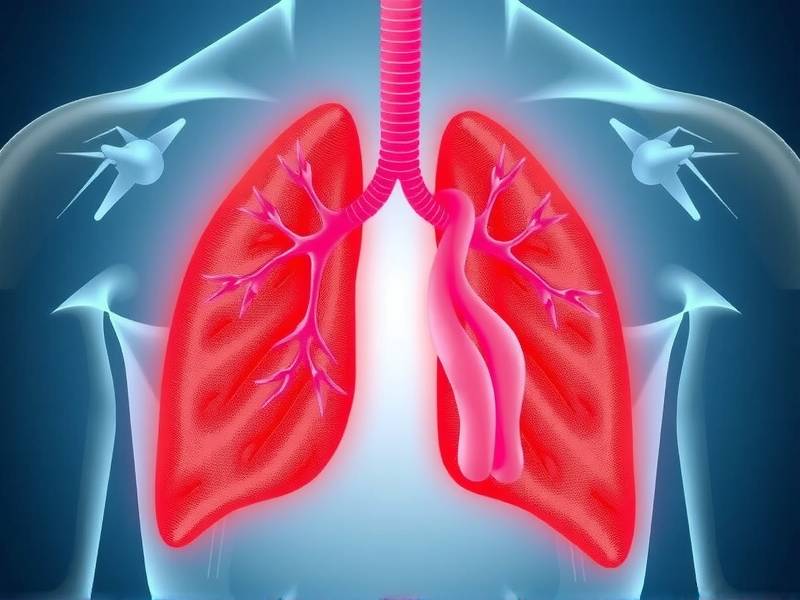
Understanding Lung Damage Smoking is a leading cause of lung damage, including chronic obstructive pulmonary disease (COPD), emphysema, and lung cancer. The harmful chemicals in cigarettes cause inflammation and damage to the delicate lung tissues over time.
Recovery Process After quitting smoking, your lungs begin to heal almost immediately. Here’s a brief overview of the recovery process:
- First 48 Hours: Your body starts to eliminate nicotine and other harmful substances from your system.
- First Month: Your breathing improves as your lungs clear out mucus and debris accumulated from smoking.
- First Year: The risk of heart attack decreases significantly, and your lung function continues to improve.
- Five Years Post-Quitting: The risk of stroke decreases by half.
- Ten Years Post-Quitting: Your risk of lung cancer is reduced by half compared to that of continuing smokers.
Benefits of Lung Recovery The recovery process brings numerous benefits:
- Improved Breathing: You will notice an increase in lung capacity and better overall breathing.
- Enhanced Immune System: Quitting smoking strengthens your immune system, making you less susceptible to respiratory infections.
- Reduced Risk of Chronic Diseases: Over time, your risk for various chronic diseases decreases as your lungs continue to heal.
Real-Life Success Stories Many former smokers have shared their experiences with lung recovery after quitting smoking. One such story is that of John, who smoked for 30 years before deciding to quit:
“Within a few weeks after quitting, I noticed my cough had significantly reduced, and I could breathe more easily while walking,” says John.
Another success story comes from Sarah:
“I quit smoking three years ago, and now I can run without getting winded or experiencing any chest pain,” Sarah adds.
Tips for Successful Quitting If you’re considering quitting smoking, here are some tips that might help:
- Set a Quit Date: Choose a date when you will stop smoking completely.
- Seek Support: Join support groups or seek guidance from healthcare professionals.
- Stay Active: Regular exercise can help manage withdrawal symptoms and boost your mood.
- Avoid Triggers: Identify situations that make you want to smoke and avoid them as much as possible.
- Reward Yourself: Set small goals and reward yourself for meeting them.
Conclusion: The journey towards better health begins with quitting smoking. Understanding how your lungs can recover after quitting can motivate you to take that crucial step towards a smoke-free life. With determination and support, you can overcome addiction and enjoy the numerous health benefits that come with it.
Note: This article is based on general knowledge about lung recovery post-quitting smoking and does not replace professional medical advice or treatment options tailored to individual cases.