
Can Your Body Go into Shock from Quitting Smoking?
Navigating the Unknown: Can Your Body Go into Shock from Quitting Smoking?
Introduction: Quitting smoking is a significant decision that many individuals make to improve their health and well-being. However, concerns often arise regarding the potential physical reactions one might experience during the process. One common question is whether your body can go into shock from quitting smoking. In this article, we will explore this topic and provide insights based on scientific research and expert opinions.
What is Withdrawal Syndrome? Withdrawal syndrome refers to a set of symptoms that occur when a person stops using nicotine or other addictive substances. These symptoms can vary in intensity and duration, depending on the individual's level of dependence and overall health.
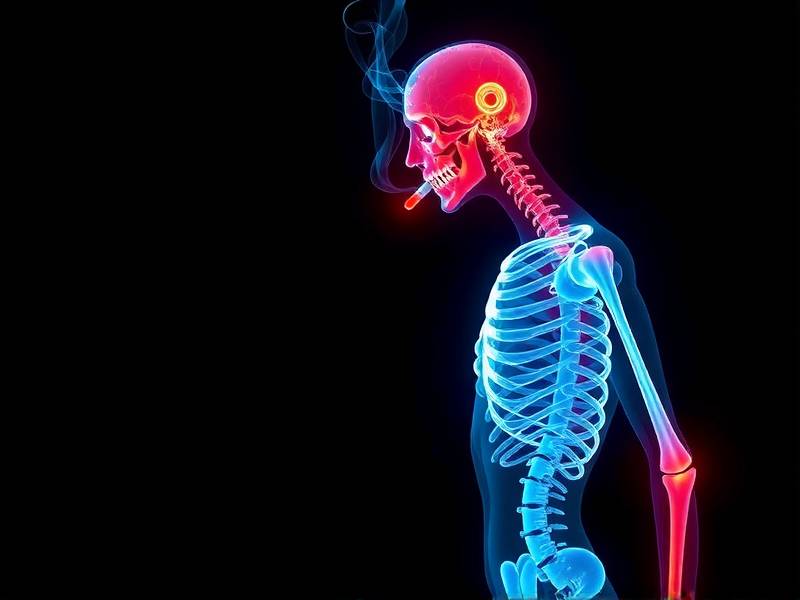
Common Symptoms of Withdrawal:
- Cravings for nicotine
- Irritability or mood swings
- Anxiety or depression
- Insomnia or changes in sleep patterns
- Increased appetite
Can Your Body Go into Shock? While it is essential to acknowledge that withdrawal symptoms can be uncomfortable, there is no scientific evidence to suggest that quitting smoking can cause your body to go into shock. The body's response to nicotine withdrawal is primarily psychological rather than physiological.
Understanding Nicotine's Effects on the Body: Nicotine, a highly addictive substance found in tobacco products, affects various systems in the body, including the central nervous system. When you stop smoking, your body tries to adjust to the absence of nicotine, leading to withdrawal symptoms.
The Importance of Gradual Reduction: To minimize withdrawal symptoms and increase the chances of successful quitting, many experts recommend gradually reducing your cigarette consumption before completely eliminating it. This approach allows your body to adapt more comfortably to lower levels of nicotine.
Alternative Strategies for Managing Withdrawal:
- Nicotine Replacement Therapy (NRT): NRT products like patches, gum, lozenges, and inhalers provide controlled doses of nicotine without the harmful effects of smoking.
- Medications: Certain prescription medications can help alleviate withdrawal symptoms by reducing cravings and nicotine withdrawal.
- Behavioral Support: Seeking support from friends, family, or support groups can provide emotional support and motivation during the quitting process.
- Mindfulness Techniques: Engaging in mindfulness practices such as meditation or deep breathing exercises can help manage stress and anxiety associated with withdrawal.
Conclusion: In conclusion, while quitting smoking can trigger uncomfortable withdrawal symptoms for some individuals, there is no evidence suggesting that it causes shock within the body. By understanding these symptoms and adopting effective strategies for managing them, you can increase your chances of successfully overcoming nicotine dependence and improving your health.
Remember that seeking professional guidance from healthcare providers or addiction specialists is crucial throughout this journey towards a smoke-free life.
Note: This article provides general information about quitting smoking; however, individual experiences may vary. It is always recommended to consult with healthcare professionals for personalized advice and support during the quitting process.