
Does Quitting Smoking Really Cause Shortness of Breath? The Science Behind the Question
Introduction: The Common Concern
Quitting smoking is a significant step towards a healthier life, yet many smokers hesitate to take this leap due to concerns about potential side effects. One of the most common worries is shortness of breath after quitting. This article delves into the science behind this question, providing clarity and reassurance.
Shortness of Breath: A Common Symptom or a Temporary Side Effect?
Temporary Discomfort
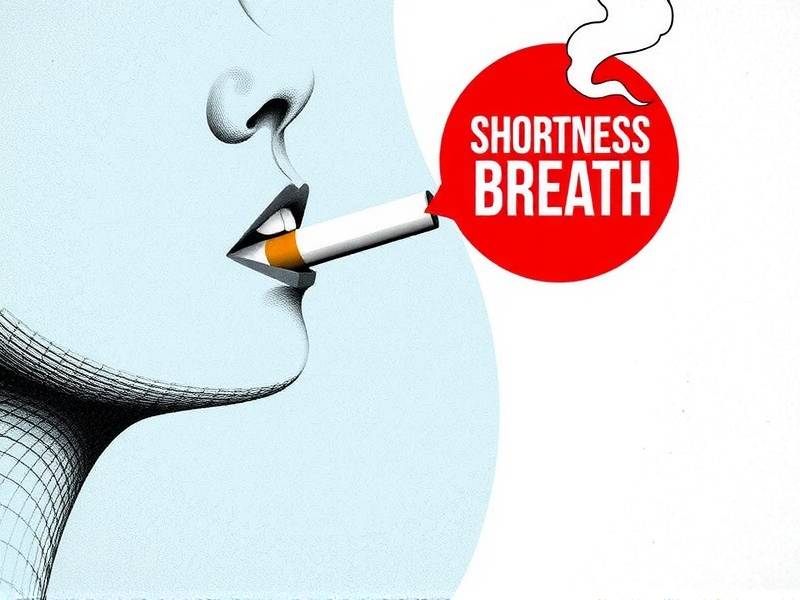
After quitting smoking, it's not uncommon to experience shortness of breath. This is often due to the body's adjustment period as it heals from years of smoke damage. While it might seem concerning, it's usually a temporary side effect that resolves over time.
Recovery Process
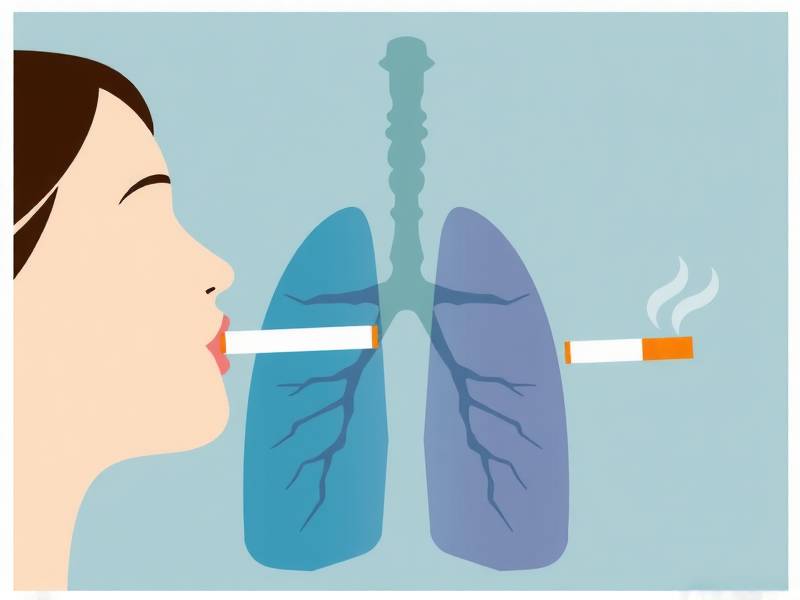
The body begins to recover almost immediately after quitting smoking. Within 48 hours, carbon monoxide levels drop significantly, and within two weeks to three months, lung function improves. These improvements can lead to a decrease in shortness of breath.
The Role of Nicotine
Nicotine is a potent constrictor of blood vessels and can cause narrowing in the airways, leading to breathing difficulties. When you quit smoking, the nicotine withdrawal can exacerbate these symptoms temporarily.
Overcoming Withdrawal
Quitting smoking involves overcoming physical withdrawal symptoms as well as psychological cravings. Techniques such as nicotine replacement therapy (NRT), counseling, and support groups can help manage these challenges.
Long-Term Benefits
While shortness of breath may be a temporary issue for some quitters, the long-term benefits of quitting are substantial:
- Improved Lung Function: Over time, your lungs will continue to improve in function.
- Reduced Risk of Respiratory Diseases: Quitting smoking significantly reduces your risk of chronic obstructive pulmonary disease (COPD), asthma, and other respiratory conditions.
- Enhanced Quality of Life: Improved breathing leads to better overall health and well-being.
Conclusion: Embracing Change for a Healthier Future
While quitting smoking might initially cause shortness of breath for some individuals, this is typically a temporary symptom that resolves as your body heals from years of smoke damage. Embracing this change can lead to significant health benefits in the long run. If you're considering quitting, know that there are resources available to help you through this transition and support your journey towards better health.