
How to Clean Your Lungs Out After Quitting Smoking: Effective Methods for a Healthier Start
How to Clean Your Lungs Out After Quitting Smoking: Effective Methods for a Healthier Start
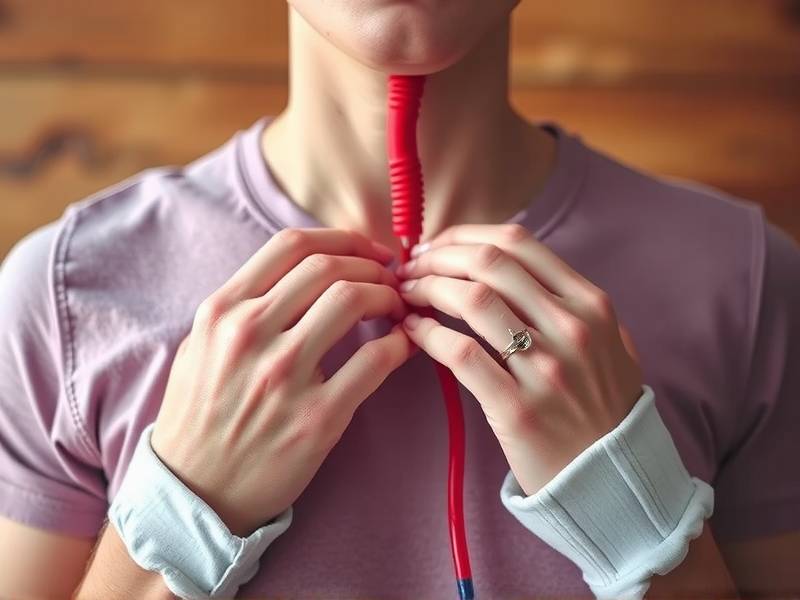
Introduction: Quitting smoking is a significant step towards improving your health, but the journey doesn't end there. The lungs, having been subjected to the harmful toxins of smoke, may require some time and effort to recover. This article delves into effective methods to help cleanse your lungs post-quit, ensuring you embark on a healthier lifestyle.
Understanding the Impact of Smoking on Lungs
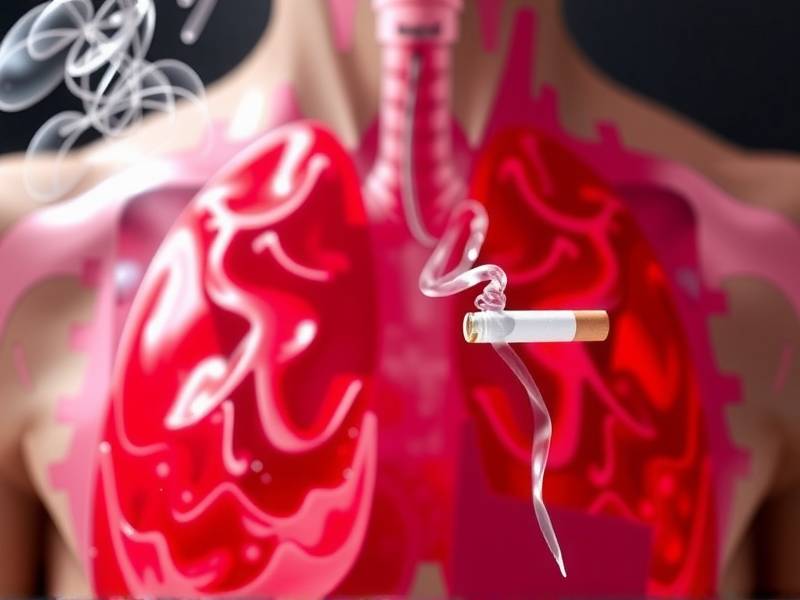
Before we delve into the methods for lung cleansing, it's essential to understand the damage smoking can cause. The tar and chemicals in cigarettes can lead to inflammation, coughing, and impaired lung function. As you quit smoking, your body begins to repair itself, but it's crucial to support this process.
Step 1: Stay Hydrated
Drinking plenty of water is one of the simplest ways to aid lung cleansing. Water helps flush out toxins from your body and keeps your respiratory system hydrated. Aim for at least eight glasses a day.
Tips for Hydration:
- Carry a reusable water bottle with you.
- Add slices of lemon or cucumber for flavor.
- Drink warm water or herbal teas in colder months.
Step 2: Deep Breathing Exercises
Deep breathing exercises can improve lung capacity and help clear mucus from your respiratory tract. Practices such as pranayama (yogic breathing) can be particularly beneficial.
How to Practice Deep Breathing:
- Find a comfortable seat or lie down.
- Inhale deeply through your nose, filling your lungs completely.
- Hold your breath for a few seconds.
- Exhale slowly through pursed lips.
- Repeat this process for about 10 minutes daily.
Step 3: Incorporate Lung-Healthy Foods
Your diet plays a crucial role in lung health. Include foods rich in antioxidants and vitamins that help repair damaged cells.
Lung-Healthy Foods:
- Leafy greens (spinach, kale)
- Fruits like berries and oranges
- Nuts (walnuts)
- Fish high in omega-3 fatty acids (salmon, mackerel)
Step 4: Regular Exercise
Physical activity enhances circulation and can help clear out mucus from the lungs. Activities like walking, swimming, or cycling are excellent choices.
Exercise Tips:
- Start gradually and increase intensity over time.
- Aim for at least 30 minutes of moderate exercise most days of the week.
- Listen to your body; rest if you feel dizzy or lightheaded.
Step 5: Avoid Exposure to Pollutants
Continuing exposure to pollutants can hinder lung healing after quitting smoking. Try to minimize exposure by:
- Using air purifiers at home.
- Avoiding smoky areas or secondhand smoke.
- Wearing masks when necessary in polluted environments.
Conclusion: The road to lung recovery after quitting smoking is gradual but achievable with consistent effort. By staying hydrated, practicing deep breathing exercises, consuming lung-friendly foods, engaging in regular exercise, and avoiding harmful pollutants, you can give your lungs the best chance at healing and starting afresh on a healthier path. Remember that patience is key; it takes time for the body to heal after years of smoking damage.