
Can Lung Function Improve After Quitting Smoking?
Can Lung Function Improve After Quitting Smoking?
Introduction: The decision to quit smoking is a significant step towards a healthier life. Many smokers are often concerned about the long-term effects of smoking on their health, particularly regarding lung function. This article delves into the question: Can lung function improve after quitting smoking? We will explore the science behind this transformation and provide insights into the recovery process.
-
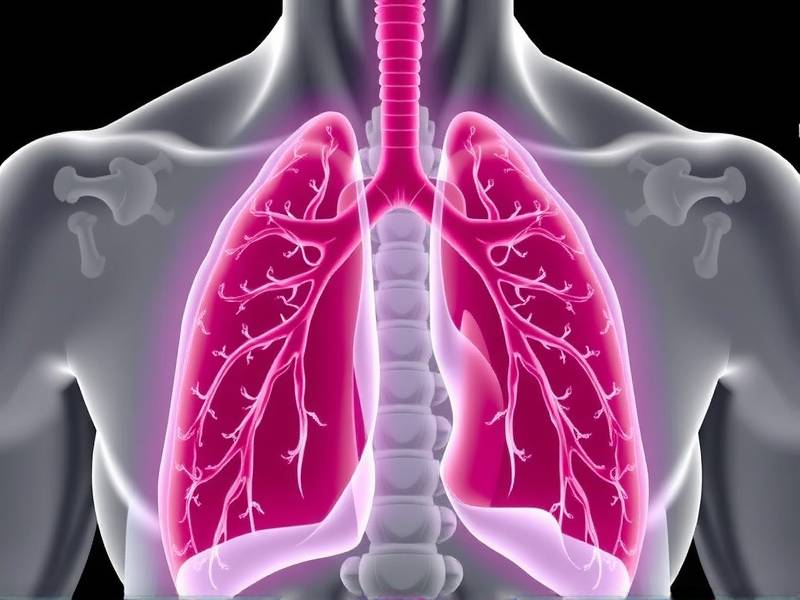
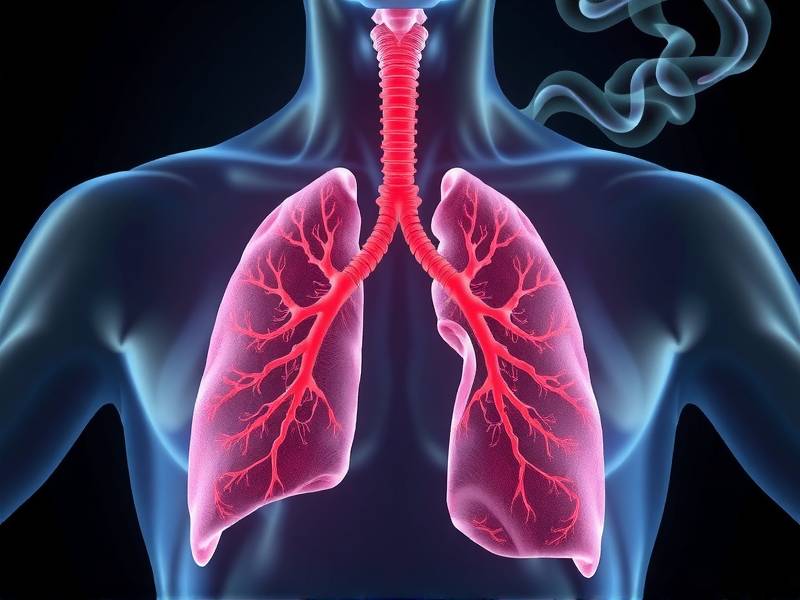
Understanding Lung Function Lung function refers to the ability of the lungs to take in oxygen and expel carbon dioxide. It is crucial for overall health and well-being. Smoking damages the delicate tissues in the lungs, leading to reduced lung capacity and compromised respiratory function.
-
The Immediate Impact of Quitting Smoking When you quit smoking, your body begins to heal almost immediately. Within 20 minutes of your last cigarette, your heart rate and blood pressure start to drop, improving blood flow throughout your body. Within 12 hours, carbon monoxide levels in your blood decrease, allowing more oxygen to reach your organs.
-
The Recovery Process The recovery process from smoking-related lung damage can vary from person to person. Here's what you can expect:
- Within 1-9 months: Your cilia (the tiny hair-like structures that move mucus out of your lungs) begin to regrow and become more effective at clearing mucus from your airways.
- Within 1-2 years: Your risk of heart disease begins to decline as lung capacity increases.
- Within 5-15 years: Your risk of stroke decreases significantly, approaching that of a nonsmoker.
- Within 10 years: Your risk of developing lung cancer decreases by half compared to a smoker's risk.
- Lifestyle Choices for Faster Recovery While quitting smoking is essential for improving lung function, adopting a healthy lifestyle can accelerate the recovery process:
- Regular Exercise: Engaging in physical activities like walking, jogging, or swimming can improve lung capacity and overall cardiovascular health.
- Healthy Diet: A balanced diet rich in fruits, vegetables, lean proteins, and whole grains can support lung health.
- Avoid Exposure to Air Pollutants: Minimize exposure to secondhand smoke and harmful air pollutants.
- Conclusion Quitting smoking is a crucial step towards restoring lung function and improving overall health. While it may take time for damaged lungs to recover fully, research shows that significant improvements can be seen within months or years after quitting. Embrace a healthy lifestyle alongside quitting smoking for optimal results.
Remember, it's never too late to quit smoking and give your lungs a chance to heal. Take control of your health today!