
Can Quitting Smoking Cause PVCS?
Understanding the Link Between Quitting Smoking and PVCs
Introduction: Quitting smoking is a significant step towards improving one's health, but it can also come with unexpected challenges. One such challenge is the occurrence of palpitations or PVCs (Premature Ventricular Complexes) in some individuals who have recently quit smoking. In this article, we will explore the relationship between quitting smoking and PVCs, providing you with valuable insights to help you understand this phenomenon.
What are PVCs? PVCs are abnormal heart rhythms that cause a premature contraction of the ventricles, the lower chambers of the heart. These palpitations can be felt as a fluttering, racing, or pounding sensation in the chest. While PVCs are generally harmless and common in healthy individuals, they can sometimes be a sign of an underlying heart condition.
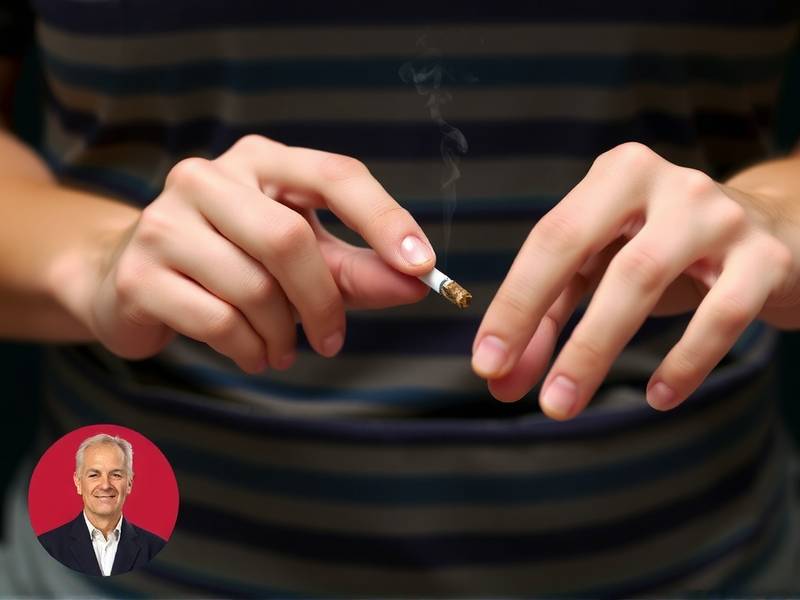
The Connection Between Quitting Smoking and PVCs: Research suggests that quitting smoking can indeed trigger PVCs in some individuals. The reasons for this link are not entirely clear, but here are a few possibilities:
-
Nicotine Withdrawal: Nicotine is a stimulant that increases heart rate and constricts blood vessels. When you quit smoking, your body goes through nicotine withdrawal, which can lead to increased heart rate and palpitations.
-
Stress: Quitting smoking can be a stressful experience for many people. Stress itself can cause palpitations and may exacerbate any underlying issues that contribute to PVCs.
-
Electrolyte Imbalance: Nicotine affects electrolyte levels in the body, which play a crucial role in maintaining proper heart rhythm. When you stop smoking, these levels may become imbalanced, leading to PVCs.
-
Heart Rate Variability: Smokers often have reduced heart rate variability (HRV), which is associated with increased risk of arrhythmias like PVCs. Quitting smoking may improve HRV but also bring about sudden changes that could trigger palpitations.
Is It Necessary to Worry? Most cases of PVCs associated with quitting smoking are benign and resolve on their own within a few weeks to months. However, if you experience persistent or severe palpitations along with other symptoms like shortness of breath or chest pain, it's important to consult a healthcare professional.
Managing PVCs While Quitting Smoking: Here are some tips to help you manage PVCs while quitting smoking:
-
Gradually Reduce Your Intake: If possible, try to reduce your cigarette intake gradually instead of quitting cold turkey. This can help minimize nicotine withdrawal symptoms and reduce the likelihood of experiencing palpitations.
-
Manage Stress: Engage in stress-reducing activities such as yoga, meditation, or deep breathing exercises to help manage stress levels while quitting smoking.
-
Maintain Electrolyte Balance: Ensure you're consuming enough potassium and magnesium through your diet or supplements as these minerals play an essential role in maintaining normal heart rhythm.
-
Seek Professional Help: If you're struggling with persistent palpitations or other symptoms related to quitting smoking, don't hesitate to consult a healthcare professional for guidance and support.

Conclusion: While quitting smoking may trigger PVCs in some individuals due to various factors such as nicotine withdrawal and stress-related changes in heart rhythm, it's important to remember that most cases are benign and resolve over time. By managing stress levels and seeking professional advice when needed, you can successfully overcome this challenge on your journey towards better health by saying goodbye to tobacco smoke forever!