
Why Do My Gums Hurt After Quitting Smoking? The Inside Scoop on Gum Pain During the Smoking Cessatio
Introduction: The Challenge of Gum Pain Post-Quitting
Quitting smoking is a significant life decision that brings about numerous health benefits. However, it's not uncommon to experience discomfort during the process, including gum pain. This article delves into the reasons behind gum pain after quitting smoking and provides insights into managing this inconvenience.
Understanding the Connection: Gum Pain and Smoking
The Role of Nicotine in Gum Health
Nicotine, a key component in tobacco products, can have a detrimental effect on oral health. It constricts blood vessels, reducing blood flow to the gums and making them more susceptible to damage and infection.
Gum Disease: A Common Consequence of Smoking
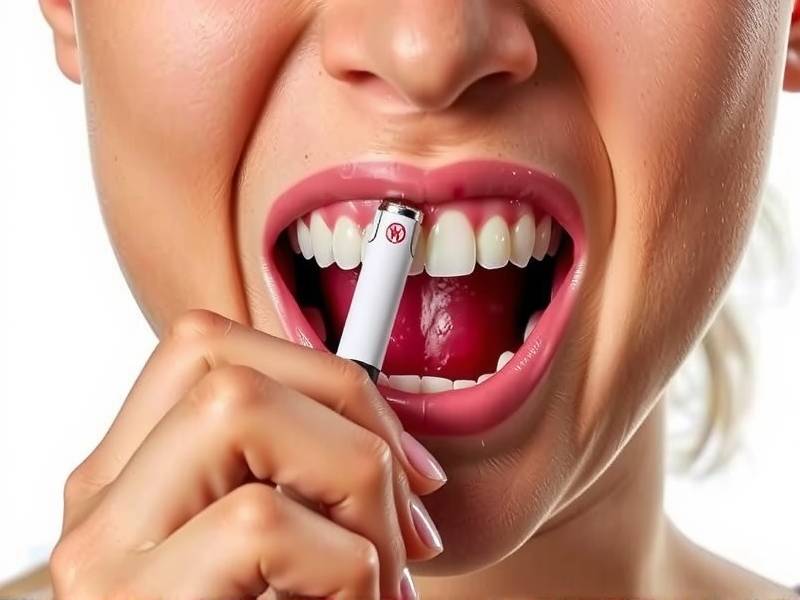
Smokers are at a higher risk of developing gum disease, also known as periodontal disease. This condition can lead to inflammation, bleeding gums, and eventually tooth loss if left untreated.
The Transition: Why Gum Pain Persists After Quitting
Healing Process Post-Quitting
When you quit smoking, your body begins to heal from the damage caused by nicotine. This healing process can sometimes manifest as gum pain due to increased blood flow and inflammation.
Hormonal Changes and Stress
Hormonal fluctuations and increased stress levels post-quitting can also contribute to gum pain. These changes affect the body's ability to manage inflammation and heal properly.
Managing Gum Pain: Strategies for Relief
Good Oral Hygiene Practices
Maintaining excellent oral hygiene is crucial during the quitting process. Regular brushing with fluoride toothpaste and flossing can help reduce gum inflammation and prevent further damage.
Over-the-Counter Remedies
Over-the-counter anti-inflammatory medications like ibuprofen may provide temporary relief from gum pain. However, it's important to consult with a healthcare professional before starting any new medication.
Professional Care
Regular dental check-ups are essential for monitoring your oral health during this period. Your dentist may recommend specific treatments or procedures tailored to your needs.
Conclusion: Embracing Change for Long-Term Health Benefits
Gum pain after quitting smoking is a common but temporary challenge. By understanding its causes and adopting effective strategies for management, you can navigate this phase successfully on your journey towards better health. Remember, every step you take towards quitting smoking is a step towards a healthier life—both physically and emotionally!