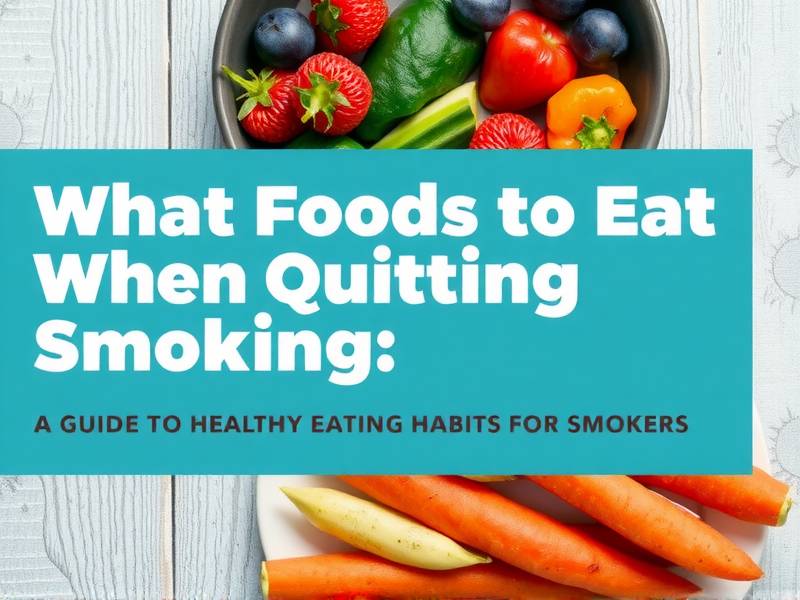
What Foods to Eat When Quitting Smoking: A Guide to Healthy Eating Habits for Smokers
What Foods to Eat When Quitting Smoking: A Guide to Healthy Eating Habits for Smokers
Introduction: Quitting smoking is a significant step towards a healthier lifestyle. However, the journey can be challenging, especially when it comes to managing withdrawal symptoms. One effective way to support your quitting process is by adopting healthy eating habits. This guide will explore the best foods to eat when quitting smoking, helping you maintain a balanced diet and improve your overall well-being.
- Fruits and Vegetables: The Powerhouse of Nutrition Incorporating an abundance of fruits and vegetables into your diet can provide essential nutrients and vitamins that aid in the quitting process. These foods are rich in antioxidants, which help combat oxidative stress caused by smoking.
- Berries: Blueberries, strawberries, and raspberries are packed with antioxidants that reduce inflammation and support brain health.
- Leafy Greens: Spinach, kale, and Swiss chard are high in vitamins A, C, and K, which contribute to overall health.
- Cruciferous Vegetables: Broccoli, cauliflower, and Brussels sprouts contain compounds that may help reduce cancer risk.
-
Lean Proteins for Energy and Muscle Support Protein is crucial for muscle repair and energy production during the quitting process. Opt for lean protein sources such as chicken breast, turkey, fish, tofu, legumes, and eggs.
-
Whole Grains for Satiety and Nutritional Value Whole grains provide sustained energy release and essential nutrients like fiber. Incorporate whole grains into your meals with foods like brown rice, quinoa, oatmeal, whole-grain breads, and pasta.
-
Healthy Fats for Brain Function Healthy fats are vital for brain health and can help alleviate withdrawal symptoms. Include sources such as avocados, nuts (almonds, walnuts), seeds (flaxseeds), olive oil, and fatty fish (salmon).
-
Hydration is Key Staying hydrated is essential when quitting smoking as it helps flush out toxins from the body. Aim for at least eight glasses of water per day or consider adding herbal teas or infused water with fruits or herbs.
-
Avoid Highly Processed Foods During the quitting process, it's important to avoid highly processed foods that may trigger cravings or contribute to weight gain due to their high sugar content.
-
Time Your Meals Strategically Eating regular meals at consistent times throughout the day can help regulate blood sugar levels and reduce cravings.
Conclusion: Embarking on a smoke-free journey requires a holistic approach that includes healthy eating habits. By incorporating nutrient-rich foods into your diet while avoiding highly processed options, you can support your body's recovery process during quitting smoking. Remember that small changes can lead to significant improvements in your overall health and well-being.