
How Long After Quitting Smoking Do You Start Coughing Up Phlegm?
The Journey to a Clearer Breath: Understanding Phlegm Cough After Quitting Smoking
Introduction: Quitting smoking is a significant step towards improving one's health, but it often comes with unexpected challenges. One such challenge is the coughing up of phlegm, which can be unsettling for many new ex-smokers. This article delves into the timeline of this phenomenon, offering insights into when you might start coughing up phlegm after quitting smoking and what it signifies.
Understanding the Process
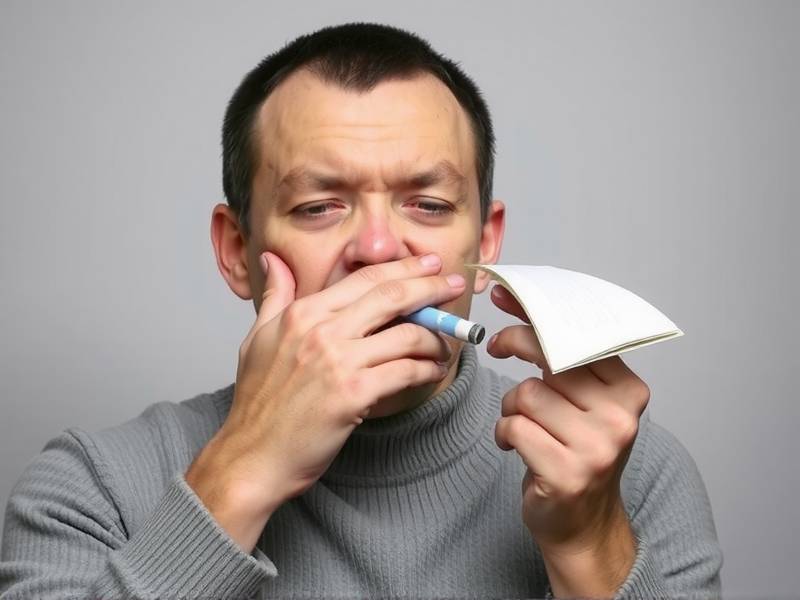
What is Phlegm? Phlegm, also known as mucus, is a sticky substance produced by the respiratory system to trap irritants and pathogens. When you smoke, the lungs are constantly exposed to harmful chemicals that damage the mucous membranes and impede the normal production and expulsion of mucus.
The Coughing Up Phlegm Timeline
1. Immediate Post-Quit In the first few days or weeks after quitting smoking, you might not notice much change in your cough. However, this period marks the beginning of your body's recovery process.
2. Weeks 1-3 It's during this phase that many ex-smokers report an increase in coughing as their bodies begin to clear out accumulated tar and mucus from the lungs. This can be quite intense but is a sign that your body is healing.
3. Weeks 4-8 As your lungs continue to clear out debris, you may still experience coughing with phlegm production. This phase can be particularly challenging but is a crucial part of the recovery process.
4. Weeks 9-12 By this time, most people find that their cough starts to decrease in frequency and intensity. The amount of phlegm produced should also begin to decline.
5. Beyond 12 Weeks After about three months, most individuals find that their cough has significantly reduced or even disappeared altogether. This indicates that their lungs are becoming healthier and more efficient at expelling mucus.
Why Does It Happen?
The reason for this increased coughing and mucus production lies in the body's natural response to removing toxins from the lungs after quitting smoking. The lung tissue starts regenerating, which can cause irritation and lead to more frequent clearing of mucus.
Conclusion:
The journey towards a smoke-free life often involves dealing with unexpected physical changes like coughing up phlegm. Understanding that this is a part of the healing process can make it easier to cope with during those initial weeks post-quitting. Remember, patience is key – as your body continues to heal, these symptoms will likely diminish over time. For those seeking support on their quit journey, there are numerous resources available online and through healthcare providers that can offer guidance and encouragement.