
Does Quitting Smoking Really Cause Headaches? A Comprehensive Guide to the Health Effects of Smoking
Introduction: The Dilemma of Quitting Smoking
The journey to quit smoking is often fraught with challenges, and one of the most common concerns is whether giving up cigarettes will lead to headaches. This comprehensive guide aims to explore this question, providing insights into the health effects of smoking cessation and addressing common misconceptions.
Understanding the Link Between Smoking Cessation and Headaches
The Temporary Withdrawal Symptoms
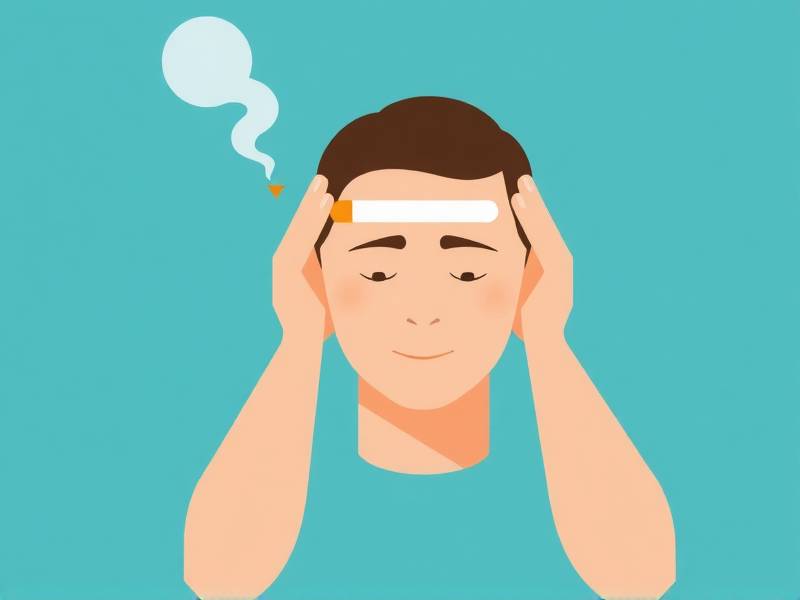
When you quit smoking, your body goes through a period of adjustment as it detoxifies from nicotine. One of the symptoms that many individuals experience during this phase is headaches. These headaches are usually temporary and are a result of nicotine withdrawal.
Nicotine's Role in Brain Chemistry
Nicotine, a key component in cigarettes, acts as a stimulant in the brain. It increases levels of dopamine, a neurotransmitter associated with pleasure and reward. When you stop smoking, your brain chemistry adjusts to lower levels of dopamine, leading to withdrawal symptoms like headaches.
Other Health Benefits of Quitting Smoking
While headaches can be an inconvenience for some smokers looking to quit, it's important to remember the numerous health benefits that come with giving up cigarettes:
Improved Lung Function
Within just 24 hours of quitting smoking, your lungs begin to clear out mucus and debris that have accumulated over time. Over time, lung function improves significantly.
Reduced Risk of Heart Disease
Quitting smoking can lower your risk of heart disease by improving blood flow and reducing cholesterol levels.
Enhanced Immune System
Your immune system becomes stronger as you quit smoking. This means you're less likely to catch colds or other illnesses.
Strategies for Managing Headaches During Quitting Smoking
If you're experiencing headaches while trying to quit smoking, here are some strategies that may help:
Stay Hydrated
Dehydration can exacerbate headaches. Drink plenty of water throughout the day.
Maintain a Regular Sleep Schedule
Aim for 7-9 hours of sleep per night. Poor sleep quality can contribute to headaches.
Eat Balanced Meals
A healthy diet can help stabilize blood sugar levels and reduce headache frequency.
Exercise Regularly
Physical activity can improve mood and reduce stress levels, which may alleviate headaches.
Conclusion: Embrace the Journey Towards a Healthier Life
While quitting smoking may lead to temporary discomfort in the form of headaches, the long-term benefits far outweigh this inconvenience. By understanding the reasons behind these symptoms and adopting effective strategies for managing them, you can successfully navigate this critical phase in your journey towards a healthier life. Remember that every step towards quitting is a step towards better health!