
How Long Does It Take for Lungs to Regenerate After Quitting Smoking?
The Journey to Lung Regeneration: How Long After Quitting Smoking?
Introduction: Quitting smoking is a significant decision that not only improves one's health but also offers the promise of regeneration for the lungs. The question that often lingers in the minds of smokers is: "How long does it take for lungs to regenerate after quitting smoking?" In this article, we delve into this topic, exploring the timeline and factors that influence lung regeneration.
Section 1: Understanding Lung Regeneration Subheading: What Happens to the Lungs When You Quit Smoking?
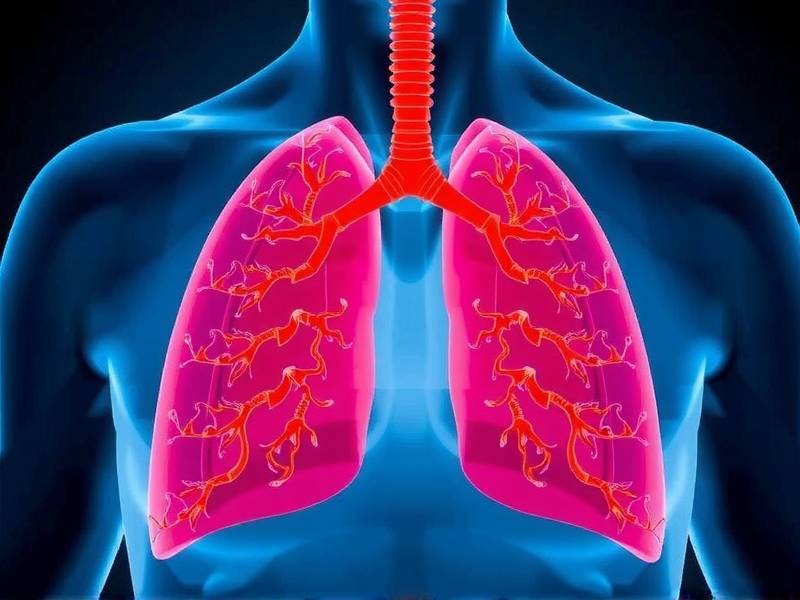
When you quit smoking, your lungs begin a remarkable process of healing and regeneration. The primary goal is to reverse the damage caused by years of smoking. It's essential to understand that lung regeneration is a gradual process, influenced by various factors such as age, overall health, and the duration of smoking.
Section 2: Timeline for Lung Regeneration Subheading: How Long Does It Take for Lungs to Heal?
The timeline for lung regeneration varies from person to person. Here's a general overview:
- Within days after quitting, carbon monoxide levels drop significantly.
- Within a few weeks, lung function starts improving as cilia (the tiny hair-like structures in your airways) begin to grow back.
- Within a few months, coughing and shortness of breath may decrease.
- Within one year, risk of heart disease begins to decline.
- Within five years, stroke risk decreases by about half.
- Within ten years, lung cancer risk decreases by half compared to continued smokers.
Section 3: Factors Influencing Lung Regeneration Subheading: What Affects How Fast Your Lungs Heal?
Several factors can influence how quickly your lungs regenerate after quitting smoking:
- Age: Younger individuals tend to recover faster than older ones due to their bodies' greater capacity for healing.
- Overall Health: Smokers with pre-existing health conditions may experience slower recovery.
- Duration of Smoking: The longer you've smoked, the more significant the damage and the longer it may take for your lungs to heal.
- Environmental Factors: Exposure to pollutants or secondhand smoke can further hinder lung regeneration.
Conclusion: Quitting smoking is a powerful step towards improving your health and giving your lungs a chance to regenerate. While the timeline for lung regeneration varies from person to person, it's essential to remember that every day without smoking brings you closer to better health. Stay committed and motivated; your body will thank you in more ways than one.