
Can Your Lungs Really Repair Themselves After Quitting Smoking?
Can Your Lungs Really Repair Themselves After Quitting Smoking?
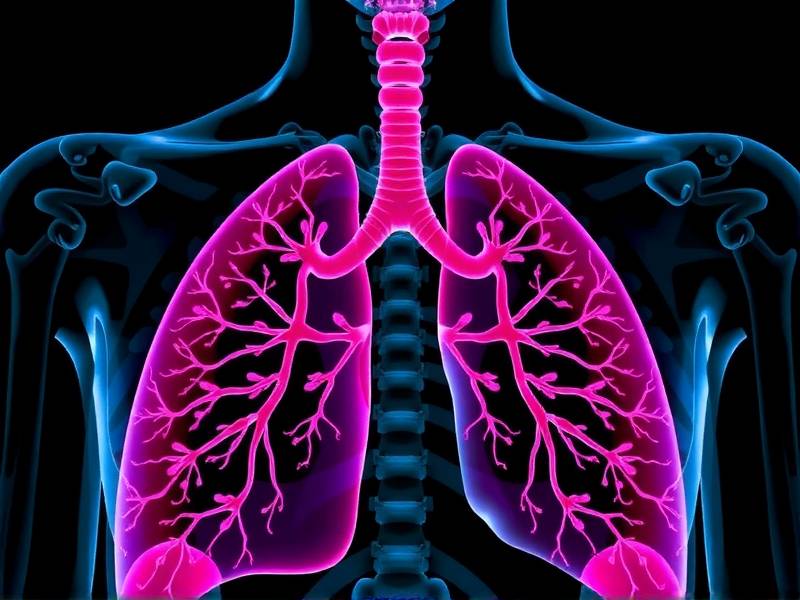
Introduction: The question of whether your lungs can truly mend themselves after quitting smoking is a common one among smokers contemplating the switch. While the process of lung repair is complex and varies from person to person, there is evidence to suggest that it is indeed possible for the lungs to regenerate and improve after quitting. Let's delve into the science behind this phenomenon and explore the steps you can take to support your lungs' healing journey.
Understanding Lung Damage Smoking causes significant damage to the lungs, leading to conditions such as chronic obstructive pulmonary disease (COPD), emphysema, and lung cancer. The harmful chemicals in tobacco smoke irritate the airways, inflame the lungs, and lead to a gradual decline in lung function.
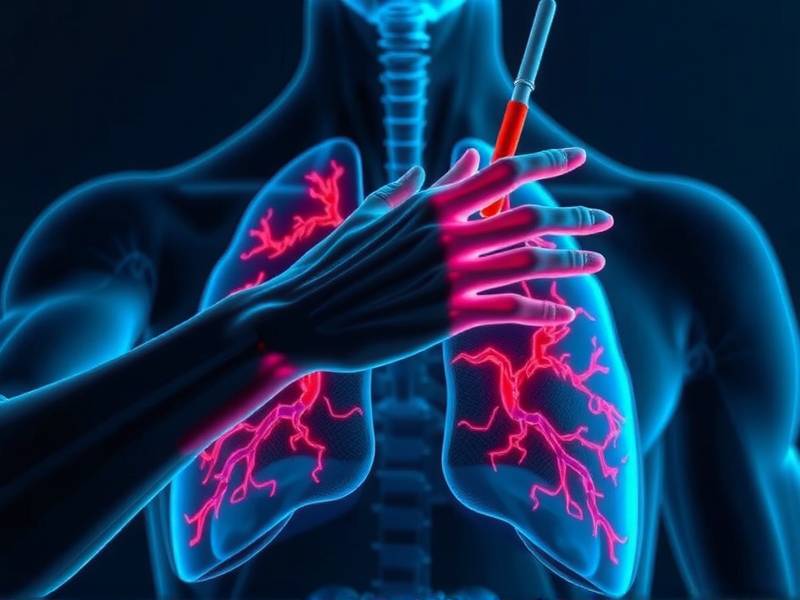
The Healing Process When you quit smoking, your body begins an incredible process of healing. Here's what happens:
- Inflammation Reduction: Within hours of quitting, your body starts reducing inflammation in your lungs. This can lead to a decrease in symptoms like coughing and shortness of breath.
- Cilia Regrowth: Cilia are tiny hair-like structures that line the airways and help move mucus out of the lungs. Smoking damages these cilia, but they have the potential to regrow after quitting.
- Airway Clearance: As cilia regenerate, they become more effective at clearing mucus from the airways, improving lung function.
- Oxygen Levels Improve: Over time, as inflammation decreases and lung capacity increases, oxygen levels in your blood improve.
Time for Repair It's important to note that while some repair can occur quickly after quitting smoking, significant improvements often take time:
- Within 1-9 months: A noticeable reduction in coughing and shortness of breath may occur.
- Within 1-2 years: Your risk of heart disease decreases significantly.
- Within 5 years: Your risk of stroke drops by half.
- Within 10 years: Your risk of lung cancer drops by half compared to continuing smokers.
Supporting Lung Repair To support your lungs' healing process:
- Stay Hydrated: Drinking plenty of water helps keep mucus thin and easier to expel.
- Exercise Regularly: Aerobic exercise can improve lung capacity and overall fitness.
- Avoid Exposure to Air Pollutants: Polluted air can exacerbate lung damage.
- Consider Professional Support: A healthcare provider can offer personalized advice on how best to support your lungs' healing process.
Conclusion: While it's true that smoking causes irreversible damage to the lungs, there is hope for recovery after quitting. By understanding the healing process and taking proactive steps towards improving lung health, you can significantly enhance your chances of reversing some of the damage caused by smoking. So if you're considering making a change for your health's sake, know that it's never too late for your lungs to begin their journey towards repair and rejuvenation.