
Should I Take an Expectorant After Quitting Smoking?
Navigating the Journey to Quit Smoking: When to Use an Expectorant
Introduction The journey to quit smoking is a challenging yet rewarding experience. As you embark on this path, you may wonder about various aspects of your health and recovery. One common query is whether you should take an expectorant after quitting smoking. This article aims to shed light on this topic, providing insights into when and how expectorants can be beneficial in your smoking cessation journey.
Understanding the Effects of Smoking on Your Lungs Smoking causes significant damage to the lungs, leading to conditions such as chronic bronchitis, emphysema, and increased risk of respiratory infections. When you quit smoking, your body begins the healing process, but it can take time for your lungs to fully recover.
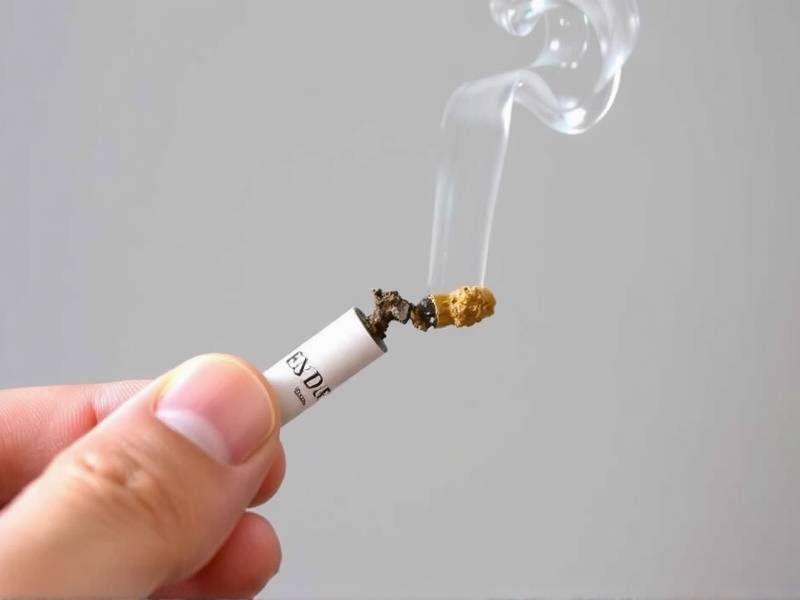
What is an Expectorant? An expectorant is a medication that helps loosen mucus in the respiratory tract, making it easier to cough up and expel. It is commonly used to treat conditions like colds, flu, and bronchitis.
When Should You Consider Using an Expectorant After Quitting Smoking?
-
Coughing or Wheezing If you experience persistent coughing or wheezing after quitting smoking, it may indicate that mucus buildup is causing irritation in your airways. In such cases, using an expectorant can help clear the mucus and alleviate these symptoms.
-
Post-Quitting Smoking Cold or Flu It's not uncommon for individuals who recently quit smoking to develop colds or flu due to weakened immune systems. If you have a cold or flu with symptoms like congestion and coughing, using an expectorant can help manage these symptoms effectively.
-
Existing Respiratory Conditions If you have pre-existing respiratory conditions like chronic bronchitis or asthma, using an expectorant may be beneficial in managing symptoms associated with these conditions after quitting smoking.
How to Use an Expectorant Safely
-
Consult a Healthcare Professional Before starting any new medication, including an expectorant, it's crucial to consult with a healthcare professional. They can assess your specific situation and recommend the most suitable option for you.
-
Follow Dosage Instructions Always adhere to the recommended dosage instructions provided by your healthcare professional or on the medication label. Avoid exceeding the recommended dosage as it may lead to adverse effects.
-
Monitor Your Symptoms Keep track of your symptoms while using an expectorant. If they persist or worsen despite treatment, inform your healthcare professional promptly.

-
Stay Hydrated Drinking plenty of fluids can help thin mucus and make it easier for you to cough up when using an expectorant.
Conclusion Quitting smoking is a significant step towards improving your health and well-being. While taking an expectorant after quitting smoking may not be necessary for everyone, it can be beneficial in certain situations. By consulting with a healthcare professional and following their guidance on usage and dosage instructions, you can effectively manage any respiratory symptoms that arise during your journey towards a smoke-free life.