
Will My Lungs Improve After Quitting Smoking?
Introduction
The decision to quit smoking is a significant step towards better health. Many smokers are often concerned about the potential benefits of quitting, especially regarding their lungs. This article delves into how quitting smoking can positively impact lung health and what you can expect as you take this life-changing journey.
The Immediate Impact
When you quit smoking, the immediate effects on your lungs are subtle but noticeable. Within hours of quitting, your blood oxygen levels begin to rise, and your heart rate and blood pressure start to normalize. Over the first few days, you may experience some withdrawal symptoms, such as cravings or irritability. However, these are temporary and a sign that your body is beginning to heal.
Short-term Improvements
In the short term, typically within a few weeks to three months after quitting, you'll start to see more tangible improvements in lung function:
1. Reduced Inflammation
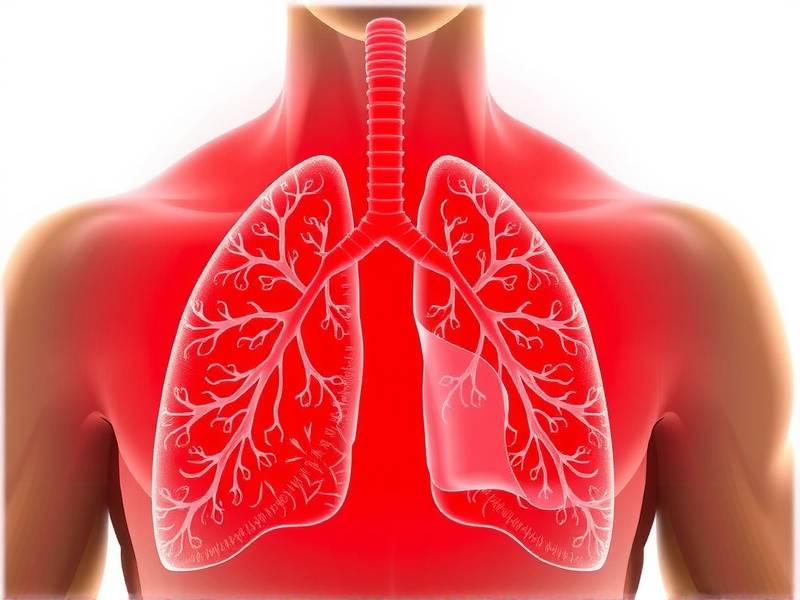
Quitting smoking reduces inflammation in your lungs, leading to an improvement in breathing capacity.
2. Enhanced Cilia Function
Your respiratory tract's cilia—the tiny hair-like structures that help clear mucus—begin to work more effectively.
3. Increased Oxygen Intake
Your lungs' ability to take in oxygen improves as the carbon monoxide levels drop.
Long-term Benefits
Over time, the benefits of quitting smoking become even more pronounced:
1. Decreased Risk of Chronic Conditions
Long-term ex-smokers have a significantly reduced risk of developing chronic obstructive pulmonary disease (COPD), emphysema, and lung cancer.
2. Improved Lung Function
After several years of not smoking, your lung function can approach that of a nonsmoker's level.
3. Enhanced Immune System
Your immune system becomes stronger over time as it no longer has to fight against the harmful chemicals in cigarettes.
Real-Life Success Stories
Real-life examples highlight the potential for significant lung improvement after quitting:
- John's Journey: John smoked for over 30 years before deciding to quit at age 50. Within two years, he noticed a considerable decrease in shortness of breath and was able to participate in activities he couldn't before.
- Sarah's Story: Sarah quit smoking at age 35 after being diagnosed with early-stage COPD. She followed a healthy lifestyle and quit within six months; her doctor noted improved lung function within a year.
Tips for Quitting Smoking
If you're considering quitting smoking:
- Seek Support: Join support groups or find a quit coach.
- Set Realistic Goals: Break down your journey into manageable steps.
- Monitor Your Progress: Keep track of improvements in lung function and overall health.
- Stay Motivated: Remember why you're doing this for yourself and those who care about you.
Conclusion
The journey towards healthier lungs begins with one decision: quitting smoking. The process may be challenging, but the rewards are life-changing—improved breathing capacity, decreased risk of serious diseases, and enhanced overall well-being. Take that first step today and start reaping the benefits for years to come!